
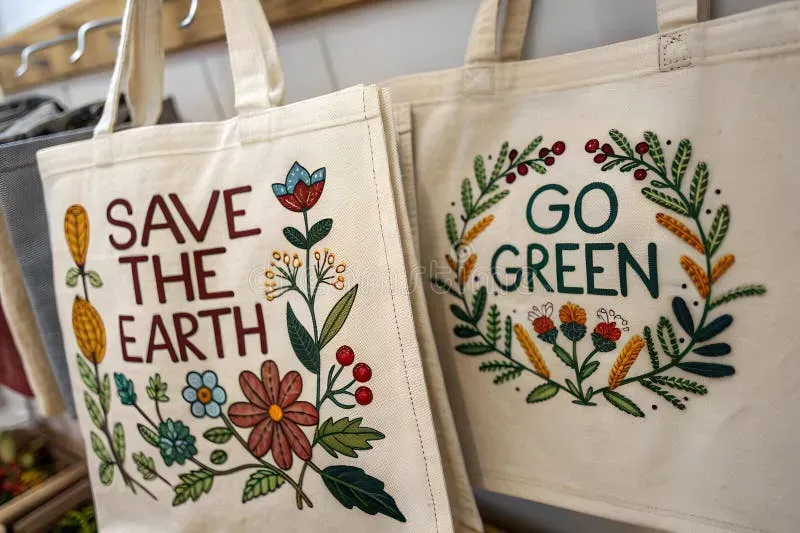
Sustainable Embroidered Design is a thoughtful approach to crafting textiles that honor people and the planet, blending artistry with responsibility rather than chasing fleeting trends, and inviting makers to consider the full lifecycle of every stitch from concept to care. In practice, it guides every choice from palette to process, with eco-friendly embroidery threads forming the backbone of durable, vibrant work that reduces environmental impact. By reimagining textiles that would otherwise be discarded, designers can create pieces that celebrate resourcefulness, tell a story through texture, and demonstrate how small choices—like stitch density, thread type, and fabric support—shape a garment’s long-term footprint. The guide emphasizes practical steps—from selecting materials and stitches that minimize waste to choosing finishes that extend the life of a garment or decor item, all while maintaining expressive detail and tactile appeal. Whether you are a hobbyist, a maker, or a small business owner, sustainable practices in embroidery offer meaningful value for creative impact and environmental stewardship, turning everyday textiles into lasting heirlooms.
This approach to needlework aligns with eco-conscious stitching practices that honor material choices, minimize waste, and celebrate the longevity of garments and home textiles. By reframing embroidery as a form of responsible textile design, creators emphasize circularity, fair sourcing, and the use of renewable fibers, recycled blends, and dye methods with low environmental impact. Practitioners talk about modular motifs, stitch economy, and thoughtful stabilizers as ways to maximize effect while conserving resources. In markets and communities that value transparency, such mindful techniques translate into products that age gracefully and tell a story of care from fiber to finished piece.
Integrating eco-conscious materials into modern embroidery practices
A sustainable approach to embroidery begins with the materials you choose. Prioritize eco-friendly embroidery threads made from organic cotton, linen, hemp, or bamboo, and seek options certified by trusted standards. Choosing organic embroidery thread helps minimize pesticide exposure and supports fibers that dye with less environmental impact. When you pair this with GOTS or OEKO-TEX certified products, you reinforce a commitment to responsible production while maintaining rich color and durability in your stitches.
A thoughtful material strategy also means planning for long-term impact by blending fibers and selecting threads that perform well across stitches and fabrics. This is where the idea of sustainable fashion embroidery comes to life: you can craft pieces that feel luxurious while aligning with ethical and ecological values. By recognizing the different properties of eco-friendly threads—colorfastness, sheen, and how fibers behave in various stitches—you can design textiles that are both beautiful and responsibly sourced.
Upcycled fabrics embroidery as a pillar of sustainable fashion embroidery
Upcycling in textile design becomes a powerful design ethic when you repurpose worn or discarded materials into showpieces of embroidery. Upcycled fabrics embroidery, whether patching denim, repurposing vintage linens, or transforming thrifted textiles, reduces the need for new materials and diverts textiles from landfills. The result is textures and narratives that feel authentic, with a rustic yet refined aesthetic that resonates with conscious consumers.
By treating upcycled fabrics as a creative starting point, you can weave embroidered motifs that honor their history. This approach supports circular fashion, where the lifecycle of each piece is extended through careful design choices, modular layouts, and sustainable thread selections. In practice, the pairing of upcycled fabrics with eco-friendly threads often yields a unique look—one that tells a story of resourcefulness and care while delivering lasting appeal in a modern wardrobe or home textile.
Choosing and caring for eco-friendly threads: a practical guide
Selecting the right fiber for your project starts with understanding the benefits of organic fibers and eco-friendly embroidery threads. Organic cotton, linen, hemp, and bamboo each bring distinct textures and dye behaviors, making them suitable for different motifs and surfaces. When possible, opt for organic embroidery thread that aligns with your design goals and offers reliable color uptake, smooth feeding, and durable finishes.
Care considerations matter as much as material choices. Proper washing, gentle detergents, and avoiding high heat help maintain colorfastness and fabric integrity over time. For longer life and lower environmental impact, test blends and stitches on scraps before committing to a full piece, and consider stabilizers and finishing methods that support resilience without adding excessive waste to the project. This mindful approach keeps your embroidery sustainable from stitch to sleeve.
Designing for longevity: modular patterns and low-waste stitching
A longevity-focused design embraces modular motifs and negative space to maximize impact with minimal material use. By planning patterns that can be rearranged or scaled, you reduce waste and simplify production without sacrificing visual richness. This aligns with low-waste stitching practices, where each thread draw is intentional and every element serves multiple uses across a collection.
Specific stitches—such as satin stitch for solid surfaces, backstitch for crisp outlines, and running stitch for delicate details—can deliver texture efficiently when arranged in grid-based or modular layouts. When working with upcycled fabrics or variable textures, simpler stitches can preserve fabric integrity while still achieving a sophisticated finish. The result is a durable piece that remains vibrant through repeated wear and washing.
Telling a sustainable story through upcycling in textile design
Upcycling in textile design offers more than an eco-friendly footprint—it provides a compelling narrative that customers can connect with. By incorporating upcycled fabrics embroidery into your projects, you create pieces with a lived-in charm and provenance that adds to their value. Thrifted garments, vintage linens, or scrap denim can become artful canvases for embroidered motifs that reflect nature, culture, or personal history.
This storytelling power extends to how you present the work. Documenting the source of materials, the care routine, and the journey from discarded textile to finished piece builds trust with audiences who value sustainable fashion embroidery. When you pair the story with the right eco-friendly threads and clear care instructions, you reinforce a commitment to responsible creativity and invite others to participate in a circular approach to textile design.
Ethical sourcing and local production in Sustainable Embroidered Design
Ethical production and local sourcing anchor Sustainable Embroidered Design in responsible practice. Sourcing materials from local mills, small farms, or regional suppliers reduces long-distance transportation and supports transparent supply chains. By prioritizing short, accountable routes for organic embroidery thread and other fibers, you help minimize carbon footprints while fostering regional craftsmanship that customers can trust.
Cultivating transparent partnerships with suppliers who demonstrate fair labor practices and environmental stewardship strengthens the value proposition of your embroidered work. Communicating these choices as part of your design story—whether through small labels, packaging, or project notes—connects consumers to the ethical dimensions of sustainable fashion embroidery. This commitment to people and planet is at the core of Sustainable Embroidered Design and can differentiate your practice in a crowded market.
Frequently Asked Questions
What is Sustainable Embroidered Design and why is it central to eco-friendly fashion embroidery?
Sustainable Embroidered Design is a thoughtful approach to crafting textiles that reduce waste and honor people and the planet. It emphasizes material responsibility, waste reduction, longevity, and ethical production in embroidery, aligning beauty with responsibility in eco-friendly fashion embroidery.
How do eco-friendly embroidery threads influence Sustainable Embroidered Design outcomes?
Eco-friendly embroidery threads, including organic embroidery thread and recycled options, support Sustainable Embroidered Design by reducing environmental impact. They affect texture, colorfastness, durability, and the overall look of a project while meeting standards like GOTS or OEKO-TEX.
What is the role of upcycling in textile design within Sustainable Embroidered Design, and how can upcycled fabrics embroidery be realized?
Upcycling in textile design turns discarded fabrics into expressive embroidery projects, cutting waste and extending the life of textiles. In Sustainable Embroidered Design, patch denim, repurpose linen, or thrifted pieces with well-planned designs, matching fabric suitability and using stabilizers to ensure durable results.
What stitching strategies support a low-waste approach in Sustainable Embroidered Design, including upcycled fabrics embroidery?
Adopt modular motifs, negative space, and planned color pools to reduce material use in Sustainable Embroidered Design. Choose efficient stitches such as satin stitch, backstitch, and running stitch, and adapt to upcycled fabrics with appropriate stabilizers to minimize scrap.
How can care guidelines and longevity planning enhance Sustainable Embroidered Design outcomes for sustainable fashion embroidery?
Care instructions and longevity planning extend the life of embroidered pieces, reinforcing the sustainability case for keeping items out of landfills longer. Favor gentle washing in cold water, air drying, and durable threads to preserve color and texture over time.
Can you share practical starter project ideas for beginners exploring Sustainable Embroidered Design using organic embroidery thread and upcycling in textile design?
Yes. Start with an upcycled denim patch jacket using organic embroidery thread for durability; linen napkins with geometric embroidery to minimize fabric waste; a thrift-store blouse upgraded with hemp thread for texture; or a reclaimed canvas tote with botanical motifs.
| Topic | Key Points |
|---|---|
| Overview | – Sustainable Embroidered Design is a thoughtful approach to textiles that balances beauty with responsibility. – It emphasizes eco-conscious choices, upcycling old fabrics, and long-lasting design to reduce waste and environmental impact. – The guide covers materials, techniques, care, and ethical production for durable, expressive embroidery. |
| Materials & Threads | – Use eco-friendly fibers: organic cotton, linen, hemp, bamboo, and recycled materials. – Look for certifications like GOTS and OEKO-TEX; prefer organic or reclaimed sources. – Consider thread performance (colorfastness, sheen, durability) and how fibers behave in stitches. |
| Upcycling | – Repurpose upcycled fabrics, vintage textiles, thrifted clothing into embroidery projects. – Reduces demand for new materials and keeps textiles out of landfills. – Combines eco-friendly threads with upcycled fabrics for rustic yet refined looks and meaningful storytelling. |
| Design & Planning | – Favor modular motifs, negative space, and repeating patterns to minimize waste. – Plan color pools to align with fabric and thread choices; repurposed fabrics should guide palette. – Sketch with fabric width, hoop size, and embroidery area in mind for cohesive, sustainable designs. |
| Stitching Techniques | – Use low-waste stitches: satin, backstitch, running stitch. – Employ decorative but efficient stitches like chain or lazy-daisy where appropriate. – Work with modular motifs and simpler stitches on fragile upcycled fabrics to reduce puckering and waste. |
| Care & Longevity | – Plan care to extend life: cold water, gentle cycles, air dry. – Avoid harsh detergents and high heat to preserve color and fiber integrity. – Include care instructions for customers to support longer-lasting pieces. |
| Ethical & Local Production | – Source from local suppliers and small mills to reduce carbon footprint and increase transparency. – Prefer partners with fair labor practices and environmental stewardship. – Build trust through visible, ethical sourcing in sustainable fashion embroidery. |
| Practical Project Ideas | – Upcycled denim patch jacket with organic cotton embroidery. – Linen napkins with geometric embroidery patterns to minimize waste. – Thrift-store blouse upgraded with vintage embroidery in hemp thread. – Reclaimed canvas tote with embroidered botanical motifs and plant-based dyes. |
| Starter Plan | 1) Gather sustainable materials (upcycled fabric, eco-friendly threads, stabilizer). 2) Define modular motifs and layout for reuse. 3) Trace designs and hoop the fabric. 4) Start with outlines (backstitch) and fill with efficient stitches. 5) Monitor thread usage and adjust tension to prevent puckering. 6) Finish with secure backstitches and tie off threads. 7) Care for finished piece with cold-water washing and gentle handling. |
Summary
Conclusion: Sustainable Embroidered Design is a thoughtful philosophy that blends beauty with environmental stewardship. By choosing eco-friendly threads and materials, embracing upcycling, planning modular and low-waste designs, and prioritizing care and ethical production, embroidered pieces can be both durable and expressive. This approach supports transparency, local sourcing, and responsible production while inviting hobbyists, crafters, and small businesses to differentiate their work. Ultimately, Sustainable Embroidered Design provides a durable, storytelling-rich path toward a more sustainable textile future.