
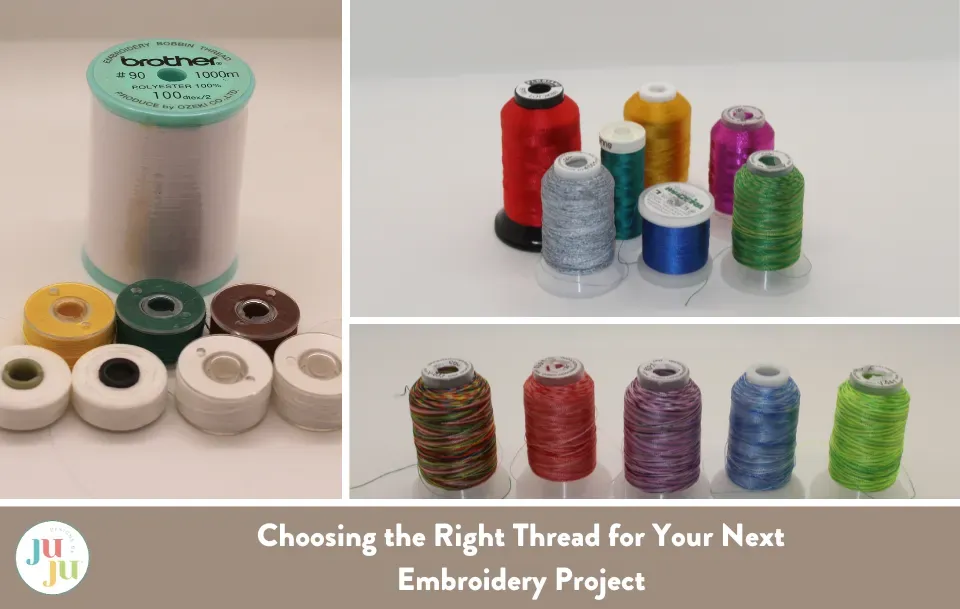
Choosing the right threads for embroidery sets the foundation for a finished piece that looks polished, wears well, and conveys the texture you envision. Beyond color, thread choice influences stitch definition, sheen, durability, and how fabric behaves under tension, so knowing embroidery thread types is essential. For cotton embroidery floss lovers, exploring how many strands to use and when to split them can dramatically change texture and control. Similarly, polyester embroidery thread offers strength and vibrant colorfastness for pieces that will be washed or worn frequently, while hand embroidery tips emphasize careful tension and stitch selection. If you’re working with a sewing machine, machine embroidery threads open up fast, durable finishes, and reliable results across fabrics.
From a broader perspective, thread selection for embroidery begins with fiber options, fabric compatibility, and the intended stitch technique. Think in terms of fiber families, textures, and finishes—cotton-based floss, synthetics, and silk blends—rather than focusing only on color. For machine-ready designs, polyester and other durable threads provide speed and colorfastness, while natural fibers can offer a softer hand for heirloom or decorative work. Swatch testing on your fabric helps you gauge texture, weight, and stitch definition before committing to a large piece.
Choosing the right threads for embroidery: a practical decision framework
Choosing the right threads for embroidery is the foundation of a finished piece that looks polished, wears well, and conveys the texture you envision. Thread choice isn’t just about color—it affects stitch definition, sheen, durability, and how your fabric behaves under tension. Start with a simple decision framework: identify your fabric, plan your stitches, and weigh fiber and finish options before choosing a thread.
Apply this framework to every project: assess the fabric weight and weave, outline your stitch plan, and then select a fiber type and finish that align with your goals for texture and washability. This approach keeps your decisions grounded in the fabric and stitch you’ve chosen, and it aligns with concepts like embroidery thread types, cotton embroidery floss, and polyester embroidery thread to guide your choice for both hand and machine embroidery.
Understanding embroidery thread types and fibers
Embroidery thread types vary widely, but they can be broadly grouped into natural fibers (such as cotton and silk) and synthetic fibers (such as polyester and nylon). Each fiber offers distinct advantages and trade-offs, so recognizing these differences is half the battle when selecting the right thread for a project.
When deciding, consider fabric type, needle size, and stitch style. For example, satin stitches on linen may benefit from a smooth silk thread for sheen, while backstitch on cotton might demand a sturdy polyester or cotton embroidery floss for crisp outlines. Knowing embroidery thread types helps you balance texture, drape, and durability.
Cotton embroidery floss and cotton threads: softness and control
Cotton remains a workhorse for many projects because of its natural feel and wide fabric compatibility. When people refer to cotton embroidery floss, they’re often talking about stranded cotton floss, commonly sold as 6 strands that can be separated. This versatility provides a range of effects—from delicate line work to bold coverage when strands are left intact.
For flexibility and control, many embroiderers use 2–3 strands for fine detailing or all 6 strands for solid color blocks. On dense fabrics, using fewer strands helps prevent puckering, and cotton embroidery floss generally washes well—though always test colorfastness on your fabric to avoid bleed or transfer.
Polyester embroidery thread: durability, colorfastness, and care
Polyester embroidery thread is popular for strength, colorfastness, and a vibrant sheen. It’s a common choice for machine embroidery threads and projects that require frequent washing or heavy wear. This thread type offers consistent color and resistance to fraying, making it reliable for everyday items and décor.
When using polyester, ensure your machine and needle settings are tuned to prevent looping or shredding. For hand embroidery tips, you may opt for lighter weights or compatible hand needles to maintain control and reduce stress on the fabric, especially on delicate textiles.
Silk, rayon, and specialty fibers: luxury finishes and limitations
Silk threads provide a luxurious feel and natural glow, but they require careful handling as friction can cause snagging and fraying. Rayon threads offer bright, high-sheen finishes, but colorfastness can be an issue in some washes, so test before committing to large areas.
Metallics and blends add sparkle and texture but often need special care: select the right needle and stitch length to prevent snagging, and consider using them as accents rather than for large solid areas. This is where you balance embroidery thread types with project goals and fabric compatibility.
Practical workflow: swatches, color planning, and project-ready setup
A swatch book or digital catalog is a vital tool for previewing stitches on your fabric and comparing how different threads behave. Swatching reveals coverage, texture, and how the thread sits in the weave, saving time and avoiding surprises in the finished piece.
For color planning, group colors by thread type—cotton floss for subtle shading and polyester for bright, uniform palettes—and test several colorways on a swatch to compare how light reflects off different embroidery thread types. Planning ahead helps you achieve harmony across texture and color.
Frequently Asked Questions
Choosing the right threads for embroidery: what are the main embroidery thread types I should consider for a project?
Key embroidery thread types to consider include cotton embroidery floss, polyester embroidery thread, silk, rayon, and metallic threads. Your choice depends on fabric, desired look, stitch type, and washability. Cotton embroidery floss is ideal for surface work on cottons and linens and can be split for fine detailing; polyester embroidery thread offers strength, colorfastness, and a glossy finish, great for machine embroidery and items that see regular washing.
When choosing the right threads for embroidery, how does cotton embroidery floss compare to polyester embroidery thread?
Cotton embroidery floss is soft, matte, and excellent for subtle shading on natural fabrics; use 2–3 strands for fine details or all 6 strands for bold areas. Polyester embroidery thread is stronger, more colorfast, and has a higher sheen, making it ideal for machine embroidery and items that will be washed often. Consider fabric type, stitch, and tension to decide which fits your project best.
From hand embroidery tips, how should I select thread weight and fiber to get the best texture when choosing the right threads for embroidery?
From hand embroidery tips, choose thread weight and fiber to match fabric and stitch: for delicate lines, use finer strands or 2–3 strands of cotton floss; for fills, use all 6 strands or a thicker thread; silk offers a luxurious sheen but needs careful handling; polyester adds durability; always swatch to balance texture and stiffness with your chosen stitches.
For machine embroidery threads, what guidelines help ensure durability and colorfastness when choosing the right threads for embroidery?
Polyester is the common choice for machine embroidery threads due to strength and colorfastness. To ensure durability and colorfastness, use the correct embroidery needle, set appropriate tension, match bobbin weight to the top thread, and test colorfastness on scrap fabric before starting the final piece.
What role does fabric type play in Choosing the right threads for embroidery, and when should I use cotton embroidery floss vs polyester?
Fabric weight and weave drive thread choice. On lightweight linens or cottons, cotton embroidery floss (often in 2–3 strands) works well for softness, while on heavy fabrics or items requiring durability, polyester threads are preferable. Always test on swatches to ensure the stitch, texture, and wash performance align with your fabric.
How can I test and swatch to ensure I’m Choosing the right threads for embroidery before committing to a large project?
Create swatches on your actual fabric using the candidate threads. Compare coverage, texture, and how the thread sits in the weave; test colorfastness in your washing regimen; note needle size and tension settings; maintain a swatch library with thread type and weight for quick reference on future projects.
| Aspect | Key Points | Notes / Examples |
|---|---|---|
| Importance of thread choice | Choosing the right threads for embroidery sets the foundation for a finished piece that looks polished, wears well, and conveys the texture you envision. Thread choice isn’t just about color—it affects stitch definition, sheen, durability, and how your fabric behaves under tension. | Affects overall feel and longevity; not only color. Consider how it interacts with fabric tension and wear. |
| Thread types overview | Embroidery threads come in natural fibers (cotton, silk) and synthetic fibers (polyester, nylon). Each fiber has advantages and caveats; selecting the correct type for a project is essential. | Balance fiber properties with fabric and stitch plan. |
| Cotton floss and cotton threads | Cotton floss is a workhorse; stranded cotton floss (often 6 strands) can be separated for flexibility or kept intact for bold coverage. Use 2–3 strands for fine detailing, or all 6 strands for bolder coverage; less thickness can prevent puckering on dense fabrics. | Ideal for surface embroidery on cottons/linens; easy to split; test on fabric to avoid puckering. |
| Polyester embroidery thread and strengths | Polyester threads offer strength, colorfastness, and vibrant sheen. Good for machine embroidery and items that require durability and frequent washing. | Resists fraying; suitable for everyday wear and décor; tolerance for machine embroidery when tension is set appropriately. |
| Silk, rayon, and other specialty fibers | Silk gives luxury feel and natural sheen but requires careful handling; rayon has bright high sheen but colorfastness can vary; metallic/specialty threads add sparkle but need careful needle choice and shorter stitches to avoid snagging. | Silk for fine art and drape; rayon for decorative stitches; metallics for accents with care. |
| Choosing by project | Fabric compatibility, weight, and stitch type drive thread selection. Lightweight fabrics react differently to thicker threads than sturdy canvases. | Match thread to fabric weight and stitch plan. |
| Practical tips for choosing thread weights and fibers | Start with swatches; compare coverage and texture; test colorfastness; align thread with stitch length for smooth, consistent results. | Swatch first; test colorfastness; plan thread-to-stitch compatibility. |
| Swatches, color planning, and workflow | Maintain a swatch book; group colors by thread type; use neutral bases and plan color palettes; mix fibers with care and test interactions under chosen stitches. | Plan color and texture deliberately; test interactions of different fibers. |
| Needle size, tension, and machine considerations | Choose needles and tension suitable for thread type. Hand embroidery needs appropriate hand needles; machine embroidery needs compatible needles and adjusted tension to prevent issues. | Align needle, tension, and bobbin with thread choice. |
| Common mistakes and how to avoid them | Avoid pushing too hard (tension), skipping swatches, using the wrong needle, and mixing incompatible fibers without planning. | Prevents fatigue, ensures color and texture harmony. |
| A quick decision framework for selecting threads | Identify fabric, define stitch plan, choose fiber by use (polyester for machine work; silk/cotton for heirloom or delicate work), decide on color strategy, and always swatch before finalizing. | A practical flow to select the right thread for the project. |
Summary
Table provides a concise, structured overview of key points from the base content on choosing embroidery threads: importance of thread choice, fiber types, cotton vs polyester, specialty fibers, project-driven selection, practical tips, workflow, machine considerations, common mistakes, and a quick decision framework.