
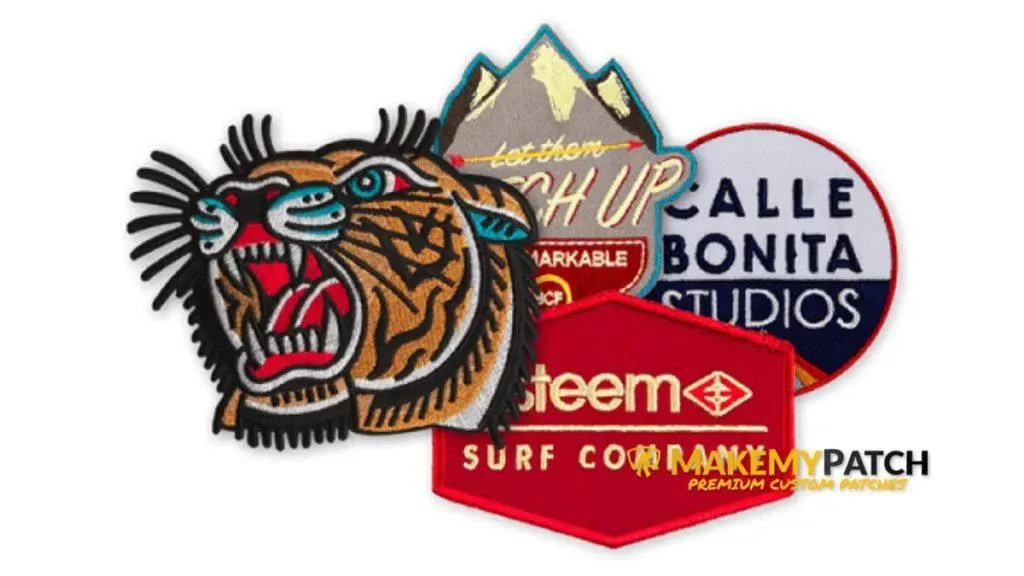
Custom patches for clubs offer a powerful, affordable way to build a shared identity that members proudly wear on jackets, jerseys, and bags. These small emblems act as badges of pride, turning uniforms into canvases of teamwork and tradition. With a clear plan, you can transform your logo into a patch that looks professional and feels personal, whether you’re new to design or refreshing an older look. This guide will cover how to design patches, how to order custom patches, and how to turn your logo patches for clubs into a durable, legible emblem. By following best practices, you’ll create patches that players and fans are excited to wear and that sponsors recognize as authentic representations of your community.
Think of these items as club insignias, emblems, or badges that unify your apparel and gear. Used across jerseys, hoodies, and bags, they narrate your team’s culture, milestones, and values. From a vocabulary standpoint, you can describe them as embroidered emblems, woven patches, or logo patches for clubs, each bringing a different texture and presence. Using varied terminology helps you communicate branding goals to designers and suppliers who can translate your vision into durable, scalable patches.
Custom Patches for Clubs: Define Goals to Strengthen Your Identity
Before you design or order patches, clarify what you want them to achieve for your club. Are patches meant to attract sponsors, reward players after a season, or unify uniforms across teams? Defining these goals will influence size, level of detail, and whether the patch should blend with jerseys or stand out on casual gear. This step is essential for custom patches for clubs and teams to feel purposeful.
Once goals are clear, share them with designers and patch makers to align expectations. Clear objectives guide choices in color, font, and finishing, ensuring your logo patches for clubs convey the right values—teamwork, tradition, and achievement. A well-scoped brief makes the design process smoother and the final patches more impactful.
Choosing Patch Type: Embroidered, Woven, or PVC for Sports Teams
Patch type defines texture, durability, and cost. For most clubs, embroidered patches offer classic texture and strong durability that withstand repeated washing on uniforms and gear. Embroidery remains a reliable choice for logo patches that require bold presence from a distance and legibility at small sizes. This is a common preference, and you’ll often see embroidered patches for sports teams.
Woven patches give finer detail and a flatter finish, which is ideal for intricate crests or tiny text. PVC patches deliver a bold, weather-resistant surface with a modern vibe. When evaluating patch options for logo patches for clubs, consider where the patch will be worn and how much detail your logo communicates.
Designing Patches: Bold, Legible, and Logo-Friendly
Design is where your patch becomes memorable. Start with the primary logo as the anchor, limit detail so it remains clear when scaled down, and choose two or three bold colors aligned with your branding. For how to design patches, ensure text remains legible and avoid hairlines that disappear in stitching.
If you’re working with a designer, provide vector artwork (AI or SVG) and a clear color palette. Request proofs and color swatches to confirm the patch looks right on fabric. For clubs, a logo-friendly design helps patches read well from a distance and retain identity across uniforms, hats, and bags.
Sizing, Shapes, and Placement: Classic Shapes for Club Patches
Patch size should balance visibility with practicality. Common sizes range from 1.5 to 3 inches, with larger patches reserved for jackets or bags. Circular, shield, or crest shapes often align with traditional team aesthetics, while a custom shape can add unique flair. When you place patches on different garments, consider shoulder seams and width for a neat, balanced look.
The shape you choose communicates tone: a traditional shield conveys authority, while a round patch feels friendly. Testing shapes on actual uniforms helps ensure compatibility with existing logos and color schemes. This approach keeps logo patches for clubs cohesive across apparel.
Materials, Backing, and Durability: Getting the Right Attachment
Backings affect how patches are applied and how long they last. The common options are iron-on, sew-on, and heat-seal, each with tradeoffs for convenience, durability, and laundering. Merrow edging around the border often adds a clean, finished look and extra durability.
If your club has official color or fabric restrictions, choose materials that withstand frequent wear and washing. Embroidery threads offer a wide color range; align with brand guidelines. For many clubs, embroidered patches deliver a timeless, varsity-like appearance that elevates the overall look of jackets and bags.
From Idea to Order: How to Order Custom Patches Efficiently
Turning your concept into reality involves concrete steps: confirm the final design and size, then request a digital proof or physical prototype to review before production. This helps prevent mistakes and ensures color accuracy. Understand MOQs (minimum order quantities) and whether your supplier offers reduced MOQs for smaller clubs or events.
Plan for production lead times and shipping, and include design fees, proofs, and any rush options in your budget. A well-structured process balances cost, speed, and quality for patches that faithfully represent your club’s identity. Starting with a small batch lets you test appearance on uniforms and adjust before a larger rollout.
Frequently Asked Questions
What are custom patches for clubs and how can they boost team branding?
Custom patches for clubs are small badges worn on jackets, jerseys, or gear that help build brand consistency and a strong club identity. They communicate values like teamwork and achievement, and can honor milestones or sponsors. For beginners, start with a bold logo and a simple color palette to ensure the patch reads well on uniforms.
Which patch type should I choose for custom patches for clubs: embroidered, woven, or PVC?
Embroidered patches are the traditional choice for clubs due to their classic texture and durability, especially on uniforms. Woven patches offer finer detail for intricate logos, while PVC patches provide a bold, weather-resistant option for outdoor gear. Consider where the patch will be worn and the level of detail needed when choosing among embroidered patches for sports teams, woven, or PVC.
How to design patches for clubs to ensure they are bold, legible, and logo-friendly?
Designing patches for clubs starts with your primary logo as the anchor. Limit detail so key elements stay clear at small sizes, choose 2–3 bold colors that align with branding, and keep text legible if included. Provide vector artwork (AI or SVG) and request proofs from your patch maker to ensure a logo-friendly result that reads well from a distance.
How to order custom patches for clubs: what’s the typical process, MOQs, proofs, and timelines?
The ordering process typically includes confirming the final design and size, requesting a digital proof or physical prototype, and reviewing colors and finish. Most suppliers have a minimum order quantity (MOQ); some offer lower MOQs for smaller clubs. Plan for production lead times, shipping, and returns policies to ensure a smooth delivery of your patches for clubs.
What sizes and shapes work best for logo patches for clubs on uniforms?
Common patch sizes range from about 1.5 to 3 inches in height or width, with larger patches for jackets and bags. Circular, shield, or crest shapes often suit traditional club aesthetics, while custom shapes can add a unique flair. Use mockups to judge how the patch sits on different garments and ensure readability and balance with your logo.
How to care for and maintain custom patches for clubs after they’re applied?
Care for patches by turning garments inside out, washing in cold water, and air-drying when possible to preserve color and texture. Iron-on backings may require reheating after washing, while sew-on patches typically offer the most durable attachment. Regularly inspect stitching and re-sew loose edges as needed to keep logo patches for clubs looking professional.
| Aspect | What it means for clubs | Practical takeaway |
|---|---|---|
| Purpose of patches | Identity and pride; patches become badges worn on jackets, jerseys, bags, and gear. | Use patches to reinforce club identity on gear; create a sense of belonging. |
| Patch types | Embroidered patches dominate for durability; woven patches offer finer detail; PVC patches provide bold, weather-resistant looks. | Choose type based on durability and detail; embroidery is common for uniforms; consider backing and cost. |
| Design tips | Bold, legible, logo-friendly; limit detail; use a palette of 2–3 bold colors; provide vector art. | Provide proofs and color swatches; work with a designer or patch maker; test readability from distance. |
| Sizing & shapes | Sizes from 1.5 to 3 inches; common shapes are circular, shield, crest; custom shapes are possible. | Balance visibility with garment fit; ensure the logo remains recognizable on different items. |
| Materials & backing | Iron-on, sew-on, and heat-seal backings; merrow edge adds durability. | Choose backing based on wear, washing, and brand guidelines; ensure compatibility with garments. |
| Ordering & costs | MOQs, proofs, timelines; costs depend on type, size, colors, and quantity. | Plan lead times; request proofs; start with small batches to test; scale up as needed. |
| Care & maintenance | Washing guidance; avoid high heat; inspect and resew edges as needed. | Regular maintenance extends life; discuss durability options with supplier. |
| Real-world examples & templates | Study clubs and teams for successful elements; use starter templates and mockups. | Create a one-page mockup showing logo, colors, and optional text to share with designers. |
Summary
Custom patches for clubs are an investment in your organization’s identity. Custom patches for clubs communicate values like teamwork, tradition, and achievement, while giving members a visible symbol of belonging on jackets, jerseys, bags, and gear. By defining goals, choosing the right patch type, and following best practices for design, sizing, materials, and production, you can create patches that look professional and feel personal. Start with a small test run to validate color, size, and attachment method, then scale up to equip all members. With careful planning and reliable patch makers for clubs, patches become a durable, cherished emblem of your club or team.