
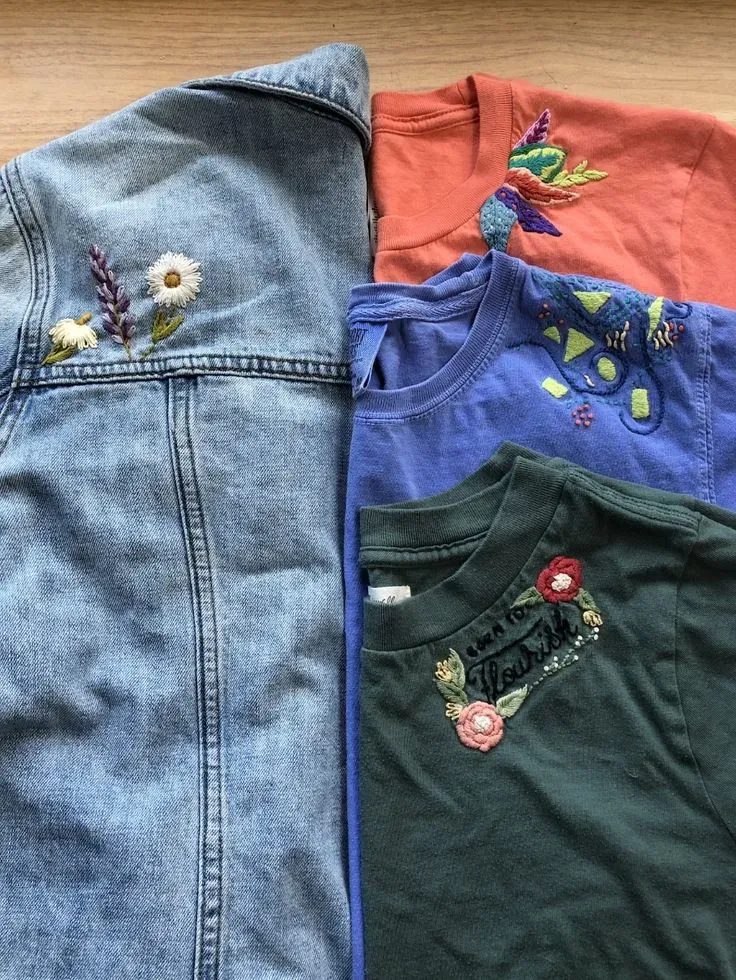
Upcycling with Embroidered Details invites you to transform worn garments into expressive art while cutting waste at the source, reframing every frayed edge as a canvas for creativity and character, so a favorite jacket can whisper a new story rather than fade into the back of the closet, while offering a gentle reminder that style and responsibility can share the same thread, and this is not about perfection; it’s a patient practice that grows with time, curiosity, and shared ideas from other makers who value sustainability as much as self-expression. In practice, embroidery upcycling lets you fix a snag, reinforce a weak seam, or cover a faded patch with stitches that enhance the garment’s story rather than hide its history, and the process rewards patience as much as color and texture, giving you a tangible sense of achievement when the thread sits neatly and the fabric breathes again, that renewal can be a social ritual, sharing progress photos, swapping tips, and celebrating the small victories of learning to care for cloth in an era of fast fashion. This approach blends practical repair with artistic intention, encouraging you to plan a design that respects the fabric’s drape, reinforce vulnerable areas, and celebrate texture through a careful hierarchy of stitches that sit comfortably on the surface and wash well over time, while you learn to balance durability with expressive detail. If you’re new to sewing, the method offers a forgiving entry point – start small, test color on scraps, and move from subtle accents to more ambitious motifs as your confidence and technique grow, learning how different fabrics respond to stabilizers, needles, and the way light catches a finished stitch. From denim and canvas to lightweight cottons, the concept scales with your imagination, inviting you to document results, share learnings, and participate in a broader trend that values craft, longevity, and personal storytelling over rapid disposal, while building a community of makers who see clothes as evolving projects rather than fixed artifacts.
Upcycling with Embroidered Details: A Creative Path to Sustainable Fashion Upcycling
Upcycling with Embroidered Details invites you to see old garments as starting points rather than endings. This method blends embroidery with practical repair to create one‑of‑a‑kind pieces while cutting waste and extending wear. In the language of sustainable fashion upcycling, each stitch contributes to a narrative of resourcefulness, while the embroidery adds texture, color, and personal meaning to a worn item. It turns a simple repair into a statement of craft and care that can be worn with pride rather than discarded. By positioning embroidery as both decoration and reinforcement, you begin a journey of textile renewal that honors the garment’s history and your evolving style.
This approach also sits squarely in the realm of DIY textile revival, encouraging experimentation with layers, textures, and motifs that reflect your taste. You don’t need perfect fabric or flawless seams—imperfect edges can become opportunities for creative embroidery that strengthens weak areas and creates new focal points. Embracing upcycling with embroidered details aligns with broader movements toward long‑lasting wardrobes and personal responsibility, where making something with your hands contributes to a lighter environmental footprint.
Repairing Clothes with Embroidery: Turning Damage into Decorative Reinforcement
Repairing clothes with embroidery is more than patching a hole; it’s a deliberate act of reinforcement that can transform damage into design. A carefully placed motif can support a fraying edge, blend in a repair, or transform an unsightly stain into a feature. By choosing embroidery as the method for repair, you extend the garment’s life while adding a layer of artisanship that makes the item feel unique. This practice reduces waste and demonstrates how craft can coexist with practical wear, reinforcing the fabric where it matters most.
From elbows and knees to seams and cuffs, embroidery can be calibrated to the garment’s needs. Planning a repair‑oriented design means selecting patches, stitches, and motifs that complement the fabric and the original character. Through thoughtful placement, you can disguise wear, honor logos, and preserve lineage while still expressing personal style. It’s a tangible example of repairing clothes with embroidery that yields durable, wearable art.
Choosing Stitches and Colors for Durable Embroidery Upcycling
The stitches you choose influence both the durability and the visual impact of embroidered upcycling. For repair and revival, prioritize stitches that lie flat, distribute tension evenly, and minimize bulk, so the fabric remains comfortable to wear. Options like backstitch, satin stitch, and running stitch offer clean lines and solid fills, while split stitch and French knots add texture without sacrificing longevity. Test stitches on a scrap area to gauge how they behave on the fabric and how they read with your color palette.
Color choices can dramatically alter how a piece reads. A cohesive palette helps embroidery blend with the fabric’s tone, while bold contrasts can turn a modest repair into a deliberate feature. When selecting colors, consider the garment’s existing hues, care requirements, and the finished silhouette you want to achieve. Always test threads on a similar thread corner or seam allowance before committing to the full design.
Planning Your DIY Textile Revival: Design, Placement, and Garment Character
A successful DIY textile revival begins with a thoughtful plan. Assess the garment for repair opportunities, wear spots, and stains that could benefit from embroidery. Sketch your design on tracing paper or draw directly on the fabric with a washable marker. The goal is to preserve the garment’s character—respect seams, logos, and existing details while designing embellishments that enhance rather than overwhelm.
Consider fabric type and proportion as you plan placement. Denim, cotton, canvas, and linen respond differently to embroidery, so adjust stabilizers, needle types, and stitch choices accordingly. Decide on motif scale and placement that flatters the surface area without crowding the garment. A well‑planned project reduces guesswork and yields durable results that endure wash after wash.
Common Repair Scenarios: Denim, Cotton, and Lightweight Fabrics
Denim and heavier fabrics benefit from sturdier methods. For knee patches or elbow repairs, start with a fabric patch reinforced by a running or blanket stitch, then add decorative embroidery that anchors and hides the repair. A bold silhouette or dense satin fills can transform a worn area into a deliberate design feature while reinforcing the fabric against future wear.
Lightweight fabrics require careful stabilization to prevent puckering. Use tear‑away or tear‑be‑hind stabilizers, and opt for smaller, flatter stitches to reduce bulk. Whether you’re patching denim, cotton, or linen, adapting your technique to the fabric’s weight ensures the embroidered details stay intact through regular washing and daily use.
Care, Maintenance, and Longevity of Embroidered Upcycles
To keep embroidered upcycles looking fresh, follow mindful care practices. Turn garments inside out, use a gentle cycle with cool water, and opt for a mild detergent. Avoid high heat during drying, as heat can weaken threads over time. If a thread begins to fray, weave in a micro‑stitch or re‑anchor with a small satin fill to secure the edge and maintain the design.
Storing pieces properly also supports longevity. Store flat or on padded hangers to reduce stress on embroidery, and avoid tight folds that crease and distort stitches. With proper care, your embroidered upcycle can become a lasting wardrobe staple, reflecting sustainable fashion upcycling, embroidery upcycling skills, and the value of handmade textiles.
Frequently Asked Questions
What is upcycling with embroidered details and why is it considered a sustainable fashion upcycling practice?
Upcycling with embroidered details is a creative approach that blends repair with decoration to extend a garment life. You reinforce weak areas, conceal flaws, or transform items into unique pieces with embroidery. This practice reduces waste and supports sustainable fashion upcycling while letting your stitches tell a story.
What tools and materials are essential for embroidery upcycling on old garments and how do they support the DIY textile revival?
Essential tools for embroidery upcycling on old garments include fabric scissors, a seam ripper, embroidery hoops or clamps, embroidery floss or pearl cotton, suitable needles, stabilizers or interfacing, woven patches, chalk or washable markers, and an iron. With these tools you can start embroidery upcycling and DIY textile revival projects and adapt as you learn your fabric and design.
What stitches work best for durable repairs when repairing clothes with embroidery?
For durable repairs focus on stitches that lie flat and hold under wear. Good options for repairing clothes with embroidery include backstitch or outline stitch for clean edges, satin stitch for bold filled shapes, running stitch for delicate accents, split stitch for texture, and French knots or seed stitches for small details. These stitches support long lasting embroidered details and blend repair with decoration.
How can I plan a design for upcycling with embroidered details that preserves the garment character?
Plan first by assessing the garment for embroidery friendly repairs, deciding placement that preserves seams and logos, and sketching ideas on tracing paper or with a wash away marker. For upcycling with embroidered details, prioritize repair areas, adapt to fabric type, manage proportions, and preserve character by enhancing rather than covering existing details.
Is embroidered detailing suitable for denim and heavier fabrics in sustainable fashion upcycling?
Yes. Denim and heavier fabrics respond well to embroidery upcycling. Start with a patch under the hole, layer decorative embroidery to secure the edge and add texture, and choose sturdier stitches. If using heavies, stabilizers can help prevent puckering. This supports sustainable fashion upcycling by turning worn parts into bold durable statements.
What care steps help embroidered details last on upcycled pieces from embroidery upcycling projects?
Care for embroidered details on upcycled pieces by turning garments inside out before washing, using a gentle cycle with cold water and mild detergent. Avoid high heat when drying and line dry or lay flat to preserve color and fabric. If threads fray, reattach with a few micro stitches and press gently with an iron. This care routine helps embroidered details last longer on upcycling projects.
| Aspect | Key Points |
|---|---|
| What is it? | Upcycling with embroidered details blends embroidery with practical repair to refresh garments and reduce waste, turning worn jackets, jeans, and shirts into one-of-a-kind statements. |
| Why it matters | Extends garment life, reduces waste, and supports sustainable fashion by transforming damage into design features while inviting care and creativity. |
| What makes it special | Adaptability to different fabrics and repairs. Layer embroidery over mended areas, create decorative patches, or bold motifs that reflect personal style. |
| How it works (overview) | Assess the garment for embroidery-friendly repairs, plan a design that respects the original character, choose durable stitches and a cohesive color palette, and test colors on a scrap before stitching. |
| Tools & materials | Fabric scissors, seam ripper; embroidery hoops or clamps; embroidery floss or pearl cotton; appropriate embroidery needles; stabilizers or interfacing; woven patches or fabric scraps; chalk or washable markers; iron and board. |
| Stitches & colors | Choose stitches that lie flat and minimize bulk (backstitch, outline, satin, running, split, French knots). Pick a color palette that matches or contrasts to suit the design and test on scrap edge. |
| Planning a sewing-by-design approach | Assess the garment and repair areas, sketch or wash-away-marker plan, prioritize reinforcement spots, consider fabric type, preserve seams and logos, and plan proportion and placement. |
| Techniques for common repair scenarios | For denim/heavier fabrics: patch first, then decorative embroidery to secure edge. For patches: use dense satin stitches. For seams: run a stitch along the seam line with a decorative detail. For lighter fabrics: stabilize with interfacing and use small stitches. |
| Creative project ideas | Denim jacket revival with a vertical embroidery panel; patchwork revival; statement collars; sleeves as art; heirloom revivals preserving initials or symbols. |
| Care & longevity | Turn garments inside out to wash, use gentle cycles and cool water; mild detergent; avoid high heat; line-dry; weave in loose threads and store flat or on padded hangers to reduce stress. |
| Sustainable mindset | Encourages mindful consumption, reduces waste, supports craft skills, and invites collaboration with friends or family in repair and reinvention projects. |
Summary
Conclusion: Upcycling with Embroidered Details is a creative philosophy of care that transforms worn textiles into wearable art while promoting sustainable fashion. By stitching with intention, you extend garment life, celebrate craftsmanship, and express personal story through durable, decorative details. Start small, experiment with stitches and colors, and let each project demonstrate how upcycling with embroidered details can redefine what it means to repair, revive, and wear clothes with purpose.