
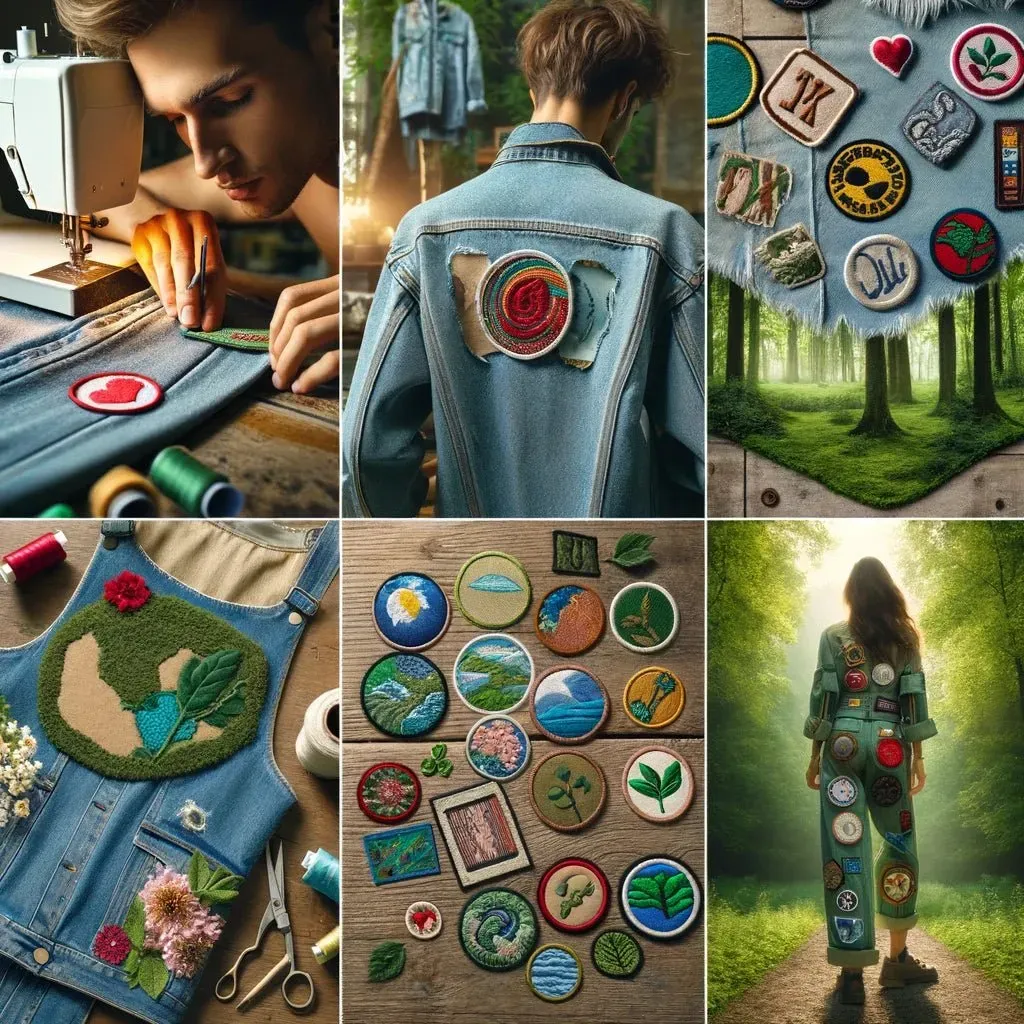
Sustainable fashion with patches invites you to rethink how clothes are worn, repaired, and cherished. Patches extend the life of garments by reinforcing wear areas and adding new character. Using patches thoughtfully helps cut waste, lower demand for virgin materials, and make everyday style more durable. Ideas for patch placement and material choice can turn repairs into personal statements. A mindful approach to patching blends practicality with creativity, showing that small, well-placed stitches can change a whole wardrobe.
Beyond the craft, this mindset fits into circular fashion, where mending, reinvention, and responsible materials reduce waste. Repair with patches becomes a practical strategy to fix weak spots, extend wear, and keep cherished pieces in daily rotation. Upcycling clothes with patches invites creativity, turning old textiles into fresh silhouettes and telling a personal sustainability story. Patchwork fashion ideas emerge from thoughtful layout, contrasting textures, and deliberate color choices that communicate care for resources. Choosing eco-friendly fashion patches made from organic or recycled materials reinforces ethical values while adding durability to a revamped wardrobe.
Sustainable fashion with patches: Repair, reuse, rewear
Patches extend garment life by reinforcing worn areas, reducing textile waste, and allowing a wardrobe to age with you. Patches for sustainable fashion offer a practical bridge between quick consumption and longer-term value. When you repair with patches, you choose a method that emphasizes durability, material efficiency, and environmental responsibility. The language of patches also helps tell a story of care and intentional design, aligning with eco-friendly fashion patches and other sustainable patch options that prioritize longevity over trends.
Applying patches isn’t just about fixing holes; it’s an opportunity to curate a personal aesthetic. You can reinforce elbows on a denim jacket, mend knees on jeans, or layer small patches to create a subtle signal of sustainability. This approach supports upcycling clothes with patches and invites you to reimagine tired pieces rather than discard them. With smart patch choices and careful application, repaired garments can become standout pieces in a capsule wardrobe that champions reuse, repair with patches, and rewearing.
Patches for sustainable fashion: materials, styles, and sustainability goals
Choosing patches for sustainable fashion starts with materials and values. Look for eco-friendly fashion patches made from organic cotton, hemp, or recycled fibers, and consider the environmental footprint of adhesives if using iron-on options. Patch textures and colors matter too: denim patches provide robust reinforcement, while embroidered patches add personality without compromising repair strength. Selecting patches for sustainable fashion thoughtfully helps balance durability, aesthetics, and ethics.
Pair patch styles with garment function and fabric composition. For a worn denim jacket, you might combine denim and embroidery patches that echo the jacket’s tones; for knitwear, sew-on patches with stretch-friendly backing protect elasticity. The overarching aim is to extend wear while signaling values: repair with patches that last, upcycle clothes with patches that look intentional, and use eco-friendly fashion patches that are traceable and responsibly produced.
Repair with patches: practical steps for durable results
Repair with patches becomes a repeatable, scalable practice when you follow a simple workflow. Start by assessing damage to determine if reinforcement or cover-up patches are most appropriate. Choosing the right patch—match the fabric type and weight—prevents distortion and ensures a natural fit. Prepare the surface by cleaning, trimming loose threads, and adding a stabilizing backing if needed, then decide between sew-on or iron-on methods based on fabric and wear expectations.
Durability comes from the stitching and finishing. Sew-on patches typically outlast iron-on options, especially in high-wear zones like knees or elbows, and a tight zigzag stitch around the edge keeps fraying in check. Iron-on patches can be reinforced with a few stitches along the border to prevent lifting, and decorative topstitching can integrate the patch into the garment’s design. When you develop this habit, repair with patches becomes a reliable extension of your wardrobe, reducing waste while maintaining style.
Upcycling clothes with patches: transform older pieces into statement looks
Upcycling clothes with patches transforms older pieces into contemporary statements. A jacket can become a canvas for a band of patches along the back, sleeves, or pockets, turning fatigue into a focal point of design. Jeans can gain knee patches and a patchwork panel that redefines their silhouette. The key is planning: lay out patches ahead of time, sketch a layout, or photograph a mock arrangement to balance color, scale, and texture.
This creative process also supports sustainable principles. Upcycling clothes with patches preserves fabric, reduces demand for new materials, and keeps garments in circulation longer. It invites experimentation with patch shapes, sizes, and sewing techniques, enabling you to craft a narrative that reflects your style and values. When executed thoughtfully, patchwork becomes not just decoration but a manifesto for circular fashion.
Patchwork fashion ideas for a modern closet
Patchwork fashion ideas offer both subtle reinforcements and bold statements for a modern closet. You can start with small, targeted patches to reinforce wear areas while adding tactile interest, then evolve into larger patchwork canvases for jackets, dresses, or bags. The art lies in harmonizing patch colors and textures so that the result feels intentional rather than accidental, and in using leftovers or thrift-store finds to minimize new material input.
Adopting patchwork fashion ideas also communicates a sustainability story. Patches sourced from old clothes, repurposed fabrics, or remnant rolls support a circular approach to design, while your creative choices demonstrate personal style and environmental awareness. By weaving patches into outfits, you create a wardrobe philosophy that celebrates reuse, ingenuity, and the beauty of imperfection in sustainable fashion.
Sourcing and caring for eco-friendly fashion patches
Sourcing eco-friendly fashion patches means evaluating materials, supply chain ethics, and long-term viability. Look for patches made from organic cotton, recycled polyester, or upcycled textile scraps, and prioritize brands that show transparent production, fair-trade practices, and clear certifications. For DIY enthusiasts, scraps from your own stash can yield a meaningful batch of patches without adding new material demand. The goal is to minimize new inputs while maximizing garment lifetimes through thoughtful patching.
Caring for patched garments is essential to ensure longevity. Follow gentler washing cycles, turn garments inside out, and avoid high heat to protect patches and adhesives. For iron-on options, limit future heat exposure or reinforce with stitching. Regularly inspect edges and replace or re-stitch loose patches as needed. With consistent care, eco-friendly fashion patches remain vibrant and durable, continuing to support repair with patches and the broader mission of sustainable fashion with patches.
Frequently Asked Questions
What is sustainable fashion with patches, and how can it help reduce waste?
Sustainable fashion with patches focuses on extending garment life through repair, reinforcement, and thoughtful patchwork. By repairing instead of replacing and choosing durable patches, you lower textile waste, reduce virgin material demand, and showcase personalized style.
How do patches for sustainable fashion extend the life of clothing?
Patches for sustainable fashion extend life by reinforcing worn areas and refreshing items rather than discarding them. Choose durable patches, align with fabric type, and decide between sew-on or iron-on methods to maximize longevity.
What are best practices for repair with patches on different fabrics?
Repair with patches should start by assessing damage, then choosing a suitable patch, prepping the surface, applying, and securing with stitching. For best results, tailor patch choice to fabric (denim with denim patches, knits with knit-friendly patches) to maximize durability.
How can you upcycle clothes with patches to create new looks?
Upcycling clothes with patches turns older garments into statement pieces. Plan patch layouts before sewing, mix textures and colors, and consider patchwork panels or decorative sleeves to refresh design.
Which patchwork fashion ideas work best for a modern, sustainable wardrobe?
Patchwork fashion ideas offer subtle to bold options for a modern wardrobe. Start with small patches to reinforce wear areas, or create full patchwork pieces using reclaimed scraps to tell a sustainability story.
Where can you source eco-friendly fashion patches for sustainable outfits?
For eco-friendly fashion patches, look for patches made from organic cotton, recycled fibers, or upcycled scraps and support brands with ethical production. DIY options using your own scraps are also a great way to minimize new material use.
| Key Point | What It Means | Practical Takeaways |
|---|---|---|
| Patches matter for sustainability | Extends garment life, reduces waste, lowers demand for virgin materials | Repair instead of replace; choose durable patches and reinforce high-wear areas. |
| Patch styles & materials | Denim patches, embroidery, iron-on vs sew-on; eco-friendly fabrics like organic cotton, hemp, or recycled fibers | Match patches to fabric and function; prioritize durability and ethical sourcing. |
| Repair with patches: practical steps | Assess damage, choose patch, prepare surface, apply patch, secure with stitching, finishing touches | Use sew-on for durability; iron-ons with proper backing and occasional stitching for longevity. |
| Upcycling clothes with patches | Transforms older pieces into new looks; requires layout planning | Sketch layouts, balance colors, and consider patch scale to create cohesive designs. |
| Patchwork fashion ideas | From subtle to bold statements; demonstrates sustainability storytelling | Start small with reinforcement patches or create full patchwork canvases using varied fabrics. |
| Sourcing eco-friendly patches | Materials like organic cotton, recycled fibers; ethical production matters | Choose patches from responsible brands or DIY with scraps to minimize new material use. |
| Care & maintenance | Patched garments can last years with proper care | Wash cold, turn inside out, avoid high heat; reinforce iron-ons with stitches as needed. |
| Community approach | Sharing techniques and patch sources strengthens patch-based sustainability | Engage in online forums, sewing circles, and workshops to learn and inspire. |