
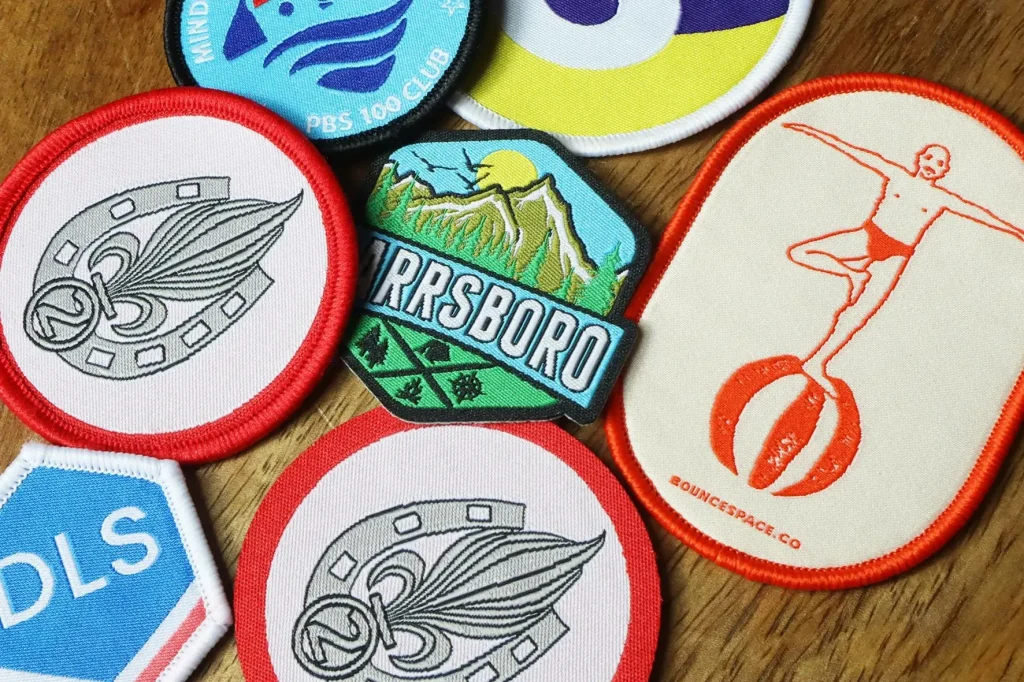
Patch Design Trends for 2026 signal a shift from decorative extras to storytelling on fabric, driven by brands, makers, and consumers seeking identity and sustainability. Patches have moved beyond mere decoration to portable canvases that convey values, status, and mood. In 2026, the patch scene expands into new shapes, finishes, and technologies while staying rooted in craftsmanship, with Patch color trends 2026 guiding palettes. This article outlines practical ideas, aesthetic directions, and actionable steps you can take to develop patch lines, collections, or single-word badges that stand out in a crowded market. Whether you’re designing embroidered patches for streetwear, denim, backpacks, or corporate swag, the aim is to balance creativity with durability and scalability.
To frame this shift with alternative language, think of emblem-based branding on textiles, surface badges, or wearable identifiers that tell a story without overpowering the garment. The language of patches is evolving toward modular systems, where patch design ideas become configurable sets and the emphasis shifts from a single motif to layered narratives. Visual consistency across textures—woven outlines, satin fills, and printed accents—echoes Patch aesthetics 2026 while prioritizing legibility, production efficiency, and brand resonance. For brands exploring customization, Custom patches for branding offer scalable touchpoints for events, teams, and limited releases, while aligning with sustainability goals.
Patch Color Trends for 2026: Jewel Tones, Metallic Threads, and Gradient Finishes
Color is the first storytelling tool a patch uses, and Patch color trends 2026 lean into both bold statements and nuanced neutrals. Jewel-tone palettes—emerald greens, sapphire blues, ruby reds—paired with metallic accents like gold or antique bronze threads catch light as you move, while color-blocking creates punchy patches that stand out on dark fabrics. Gradient and iridescent threads add depth without sacrificing legibility, making patches read clearly from a distance.
For designers, testing colorways across fabrics—indigo denim, black canvas, and light twills—ensures the color reads well in multiple contexts. Embrace patch design ideas such as color transitions in embroidery stitches to achieve dynamic, modern looks without blowing production budgets. Patch color trends 2026 also favor color-forward backing choices so the patch remains vibrant through washing and wear, reinforcing both aesthetics and durability.
Patch Design Ideas for 2026: Modularity, Sets, and Mixed-Media Surfaces
Patch design ideas for 2026 emphasize versatility and modularity. Instead of single pieces, think in sets—a core emblem plus micro badges that can be mixed and matched to tell evolving stories. Shapes are expanding beyond circles and shields into abstract geometrics, organic blobs, and silhouette-inspired forms, while mixed-media patches combine embroidery with woven details, screen-printed elements, or PVC accents for added texture and durability.
Typography-driven patches become a cornerstone, delivering slogans or brand names clearly at small scales. For those seeking experimentation, layered patches that stack or separate to form new motifs provide added value for collectors and fans, aligning well with custom patches for branding campaigns and limited drops.
Embroidered Patches and Patch Aesthetics in 2026
Embroidered patches remain central to Patch Design Trends for 2026, with a push toward refined aesthetics that balance clarity and texture. Patch aesthetics 2026 favors clean satin stitches for legibility on bold shapes, while dense satin stitching creates plush edges that read well from afar. When paired with textured backgrounds—faux leather or denim—the patch surface is highlighted, producing a tactile contrast that photographs well for online retailers.
Backing options also influence the overall look and usability: heat-seal for quick, casual wear and durable iron-on with strong adhesives for more demanding markets. This aligns with a broader demand for Embroidered patches that blend style with practicality, ensuring performance across everyday use and more demanding environments.
Sustainable Materials and Finishes for Patch Design Trends
Sustainability threads through Patch Design Trends for 2026, influencing base fabrics, embroidery threads, and adhesives. Recycled materials and water-based adhesives help reduce environmental impact while maintaining patch integrity. Reusable designs and repair-friendly options meet consumer expectations for longevity, turning patches into lasting branding assets.
Finishes like merrow edges, soft-edge borders, and matte or satin backings offer distinct tactile experiences and perceived quality. Choices between woven, printed, and embroidered patches affect production speed and cost, so designers should match usage—daily wear, performance gear, or collectibles—with appropriate materials and finishes while keeping Patch aesthetics 2026 authentic and durable.
Size, Placement, and Layering Strategies for Patch Impact
Size and placement define visual impact and wearability in 2026. Micro patches (4 cm or smaller) offer discreet branding and layering opportunities, while larger patches (8–12 cm) anchor jackets, backpacks, and vests. Layering small patches with one or two larger patches creates a narrative on a single garment, and thoughtful placements—shoulder epaulettes, chest panels, cuffs, hems, or bag seams—maximize visibility.
From an aesthetics perspective, asymmetric patch patterns convey movement and originality, while symmetrical groupings convey classic premium appeal. The recommended approach is prototyping multiple layouts and testing legibility from three to ten feet away, since online thumbnails often form the first impression for shoppers, underscoring the need for clear, legible designs at smaller scales.
Patch Design Trends for 2026: Branding, Custom Patches for Branding, and Case Study Insights
For brands, custom patches are a scalable way to communicate identity. Patch Design Trends for 2026 emphasize customization—from colorway swaps to personalized backings and even QR-enabled patches that link to a brand’s landing page or AR experiences. In consumer spaces, patches become collectible items that fans trade and curate, boosting engagement and dwell time with a product line.
In corporate or education markets, patches serve as recognition tokens or achievement badges, with clear typography and color contrast ensuring visibility even at small sizes. Defining a consistent brand voice guides shape language and color usage, and aligning patch color trends 2026 with packaging and digital assets yields a cohesive brand story. A practical example from the guide is Northline Denim, which demonstrates how a central emblem plus micro patches, glossy thread accents, and versatile backings can scale across casual and premium lines while tracking market response.
Conclusion: Applying Patch Design Trends for 2026 with Purpose and Craft
The ongoing Patch Design Trends for 2026 offer a practical roadmap for designers seeking to push aesthetics without sacrificing durability or market appeal. By embracing patch color trends 2026, patch design ideas, and embroidered patches, teams can craft collections that feel current, collectible, and ready for broad adoption.
The key is balancing clarity, contrast, and craft while staying mindful of wear, wash, and world-friendly production. As designers experiment with modular designs and interactive branding, patches can deepen brand storytelling and create enduring value for manufacturers, retailers, and consumers alike.
Frequently Asked Questions
What are Patch Color Trends 2026 within Patch Design Trends for 2026, and how can brands apply them?
Patch color trends 2026 favor bold jewel tones with tactile neutrals and metallic accents. Apply this by using emerald, sapphire, and ruby hues with gold or antique bronze threads, incorporating color-blocking and subtle gradients. Test colorways on fabrics like indigo denim, black canvas, and light twills to ensure readability and production feasibility.
How can Patch design ideas inform Patch Design Trends for 2026 collections?
Patch design ideas for 2026 emphasize modular sets, mix-and-match micro badges, and new shapes beyond traditional circles. Include mixed-media elements (embroidery, woven, screen-printed, PVC), typography-driven patches, and layered builds to add value for collectors while keeping production scalable.
In Patch Design Trends for 2026, how do Embroidered patches influence Patch aesthetics 2026?
Embroidered patches remain central to Patch Design Trends for 2026, with a focus on refined Patch aesthetics 2026. Use clean satin stitches for legibility, dense stitches for plush edges, and pair patches with textured backgrounds like faux leather or denim. Backing options (heat-seal for quick wear, iron-on for durability) support both casual and heavy-use markets.
What role do materials, finishes, and sustainability play in Patch Design Trends for 2026, and how do Custom patches for branding fit in?
Sustainability shapes Patch Design Trends for 2026 through recycled bases, sustainable embroidery threads, and water-based adhesives. Finishes such as merrow edges or soft-edge borders influence tactile perception and wear life. For branding, custom patches for branding enable colorway swaps, varied backings, and even QR-enabled patches to connect with audiences.
How should size, placement, and layering be approached in Patch Design Trends for 2026?
Size and placement drive impact: micro patches (4 cm or smaller) for discreet branding and layering; larger patches (8–12 cm) as statement anchors. Layer patches by combining small and large designs, test placements on shoulders, chest, cuffs, hems, and bags, and evaluate legibility from three to ten feet.
What practical steps should designers and manufacturers follow to implement Patch Design Trends for 2026, including embroidered patches?
Practical steps include defining core motifs plus micro badges, developing scalable colorways, selecting backing per channel (iron-on, sew-on, or heat-activated), setting clear size and typography guidelines, and building a capsule to test market response. Emphasize sustainability from the start and document a design system to ensure consistent production of embroidered patches.
| Section | Key Points |
|---|---|
| Introduction | Patches have moved from decorative extras to portable canvases, reflecting storytelling, identity, and sustainability. They expand into new shapes, finishes, and technologies while staying rooted in craftsmanship; the goal is to balance creativity with durability and scalability across streetwear, denim, backpacks, and corporate swag. |
| 1) Patch Color Trends for 2026 | Use jewel-tone palettes (emerald, sapphire, ruby) with metallic accents; color blocking for punchy contrast; gradients and iridescent threads add depth. Test colorways on multiple fabrics, explore color transitions in embroidery stitches, and use color-forward backings to maintain vibrancy after washing. |
| 2) Patch Design Ideas | Design in sets (core emblem plus micro badges); shapes beyond circles/shields (abstract/organic/silhouette); mix-media (embroidery with woven, screen-printed, or PVC elements); typography-driven patches; layered patches that can be stacked or separated. |
| 3) Embroidered Patches and Patch Aesthetics 2026 | Favor clean satin stitches for legibility and dense edges for presence; pair smooth patches with textured backgrounds (faux leather, denim); use metallic and color-change threads for subtle shimmer; backing options include heat-seal for quick wear and strong-adhesive iron-ons for durability. |
| 4) Materials, Finishes, and Sustainability | Shift toward recycled base fabrics, sustainable embroidery threads, and water-based adhesives; reusable and repair-friendly designs; finishes like merrow edges, soft-edge borders, matte/satin backings; choose woven vs embroidered vs printed based on use-case and cost; authenticity in texture and patina. |
| 5) Size, Placement, and Layering Strategies | Micro patches (≤4 cm) for discreet branding; larger patches (8–12 cm) for anchor pieces; layer small patches with one or two larger ones; placements include shoulders, chest panels, cuffs, hems, and bag side seams; asymmetric patterns for movement vs symmetrical groupings for premium feel; prototype layouts for legibility at distance. |
| 6) Branding, Custom Patches, and Market Applications | Custom patches enable scalable identity via colorway swaps, backings, and QR-enabled patches linking to brand pages or AR; patches as collectible items boost engagement; suitable for corporate/education as recognition tokens; define brand voice to guide patch shapes, colors, and overall ecosystem alignment. |
| 7) Practical Steps for Designers and Manufacturers | Define core motifs and micro badges; create colorways across fabrics and lighting, test washes; choose backing by distribution channel (iron-on for consumer, sew-on for premium, heat-activated for fast production); set clear size/shape/typography guidelines; build a capsule to test market response; prioritize sustainability; document design system for repeatable production. |
| 8) A Case Study: A Hypothetical Brand Approach in 2026 | Northline Denim launches a patch collection built around a central emblem plus complementary micro patches; main patch uses bold geometric shape, satin edge, and two-tone palette; micro patches add texture with embroidered surfaces and merrow borders; three small patches trickle into layered motifs; glossy thread accents on matte backgrounds photograph well; patches support iron-on and sew-on options; six-month iteration based on sales and social engagement. |
| 9) The Future Outlook and Closing Thoughts | Personalization, selective materials, and smarter fashion-tech integration will shape patches; patches that tell stories through color psychology, emblems, or interactivity remain compelling; balance design ideas with robust production to ensure crisp wear and affordability; continue experimenting with color trends and modular designs that invite consumer participation; authenticity remains central to Patch Design Trends for 2026. |
Summary
HTML table of key points summarizing Patch Design Trends for 2026.