
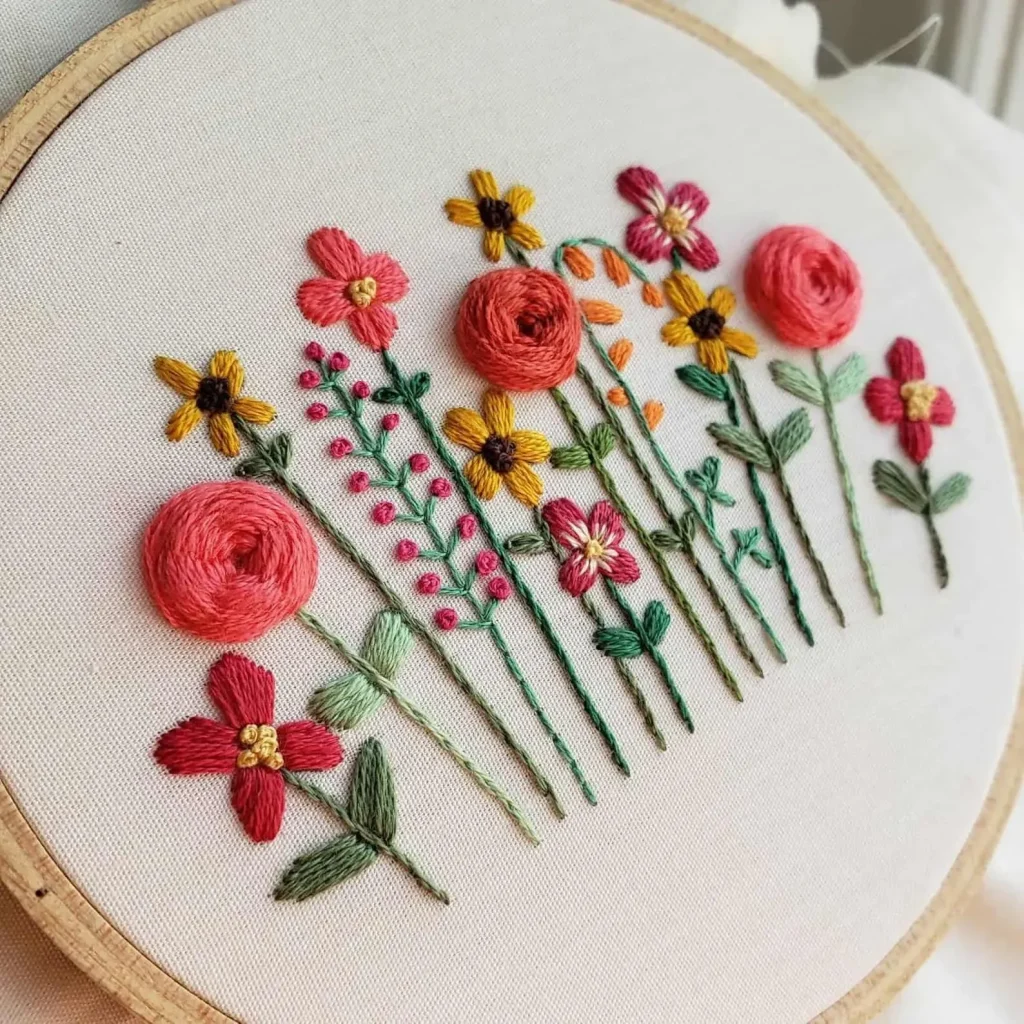
Embroidered patterns captivate artisans with a timeless charm that blends tradition and modern craft. Understanding embroidery motifs and embroidery repeats gives you a language to design cohesive works. This guide explains how to create embroidery patterns in practical steps. If you’re starting, this is a beginners guide to embroidery that demystifies grids, repeats, and color decisions. With tips for designing embroidery patterns and a clear workflow, you can start stitching confidently.
Beyond the term embroidery-based designs, you’ll hear related phrases like needlework motifs, textile patterns, and stitched repeats that signal a shared design logic. These related terms reflect how a single unit—whether a leaf, a star, or a swirl—can be repeated across fabric to build rhythm and balance. Using grid systems, tessellations, or brick layouts, designers map out tiles that interlock much like puzzle pieces, producing cohesive looks. In practice, this approach supports projects from delicate wall hangings to bold fashion details, letting you scale and adapt patterns without losing unity. By focusing on motif shapes, repetition, color relationships, and layout, you set a strong foundation for successful textile decoration, no matter the project size.
Embroidered Patterns and Motifs: How to Build Repeats for Cohesive Design
Embroidered patterns are organized sequences of small design units that your eye reads as a whole. The core building blocks are embroidery motifs—the individual shapes or images you repeat—and embroidery repeats—the way those motifs tile across fabric. When you master how motifs interact in repeated rows, blocks, or tessellations, you gain the power to design everything from delicate floral runners to bold geometric statements. This approach helps transform a simple thread into a picture worth admiring, whether you’re stitching for a heirloom quilt, a garment, or wall art.
To build cohesive Embroidered patterns, start by choosing a motif that has a clear silhouette and rhythm. Plan a repeat scheme that suits your fabric weight and project size—grid, brick lay, or tessellation each offer a different reading. By aligning the motif’s shape with the fabric density and color family, you’ll create a pattern that feels intentional and harmonious as it scales from a single unit to a full piece.
Mastering Embroidery Motifs: From Simple Shapes to Repeats
At the heart of any embroidery project are motifs and repeats. An embroidery motif is a single, recognizable unit—a flower, a leaf, a star, or a swirl—that can stand alone, while embroidery repeats describe how those units are tiled across the surface. The magic happens when you repeat a motif to form a larger composition, creating rhythm and coherence across the design.
Designing with motifs means considering both silhouette and rhythm. A small, delicate motif may be perfect for a blouse neckline, while a large, bold motif can anchor a cushion front. When you group several embroidery motifs that share a common silhouette or color family, your pattern remains harmonious as it scales, allowing you to mix sizes and densities without losing readability.
Design Principles: Grid, Scale, and Color in Embroidery Patterns
A strong embroidered pattern rests on a thoughtful grid—the invisible backbone that keeps repeats aligned and stitches proportional. For beginners, starting with a simple grid, such as a square lattice or honeycomb, helps establish consistent spacing and rhythm. As you gain confidence, you can experiment with staggered offsets, spiral tiling, or irregular tessellations to give the design movement.
Scale matters just as much as grid. Micro-motifs read differently from larger ones, and color plays a crucial role in shaping mood. Lighter fabrics benefit from softer color transitions, while jewel tones can make a bold statement. When selecting a palette, consider fabric color, light, and the emotional tone you want to evoke, and test colors against your fabric to ensure harmony before stitching.
How to Create Embroidery Patterns: A Practical Workflow
If you want to know how to create embroidery patterns, you can follow a practical workflow that turns an idea into a stitchable design. Begin by defining a clear motif, sketching it roughly, and deciding how it will tile across the area. Next, create a tile that contains the motif plus enough surrounding space for clean repetition, ensuring edges align to avoid gaps when stitched.
Then choose a restrained color palette—usually 3–5 thread colors—to maintain cohesion. Prepare fabric and stabilizers that suit your fabric weight and embroidery technique, then stitch a small sample to test spacing, color values, and density. Use feedback from the sample to refine motif size, repeat distance, and color choices before committing to the final piece.
A Beginners Guide to Embroidery: Starting Simple and Growing Your Pattern
If you are starting from scratch, this process serves as a beginners guide to embroidery. Begin with a simple motif you enjoy stitching and practice placing it in a small grid. By keeping the initial project manageable, you’ll build confidence with fabric handling, thread tension, and stitch reading before expanding to larger repeats and multi-color palettes.
As you gain comfort, gradually introduce more complex motifs and larger repeats. Practice reading motifs at scale, test different alignments within the grid, and document your color decisions and stitch counts. The more you practice, the quicker you’ll learn how subtle spacing and color shifts can transform a simple motif into a compelling Embroidered patterns composition.
Tips for Designing Embroidery Patterns: Color, Texture, and Negative Space
Effective embroidery design blends color relationships, texture, and breathing room. Mastery of line weight and fill can give the same motif a bold outline or a delicate interior, creating depth and variety without overwhelming the fabric. Negative space is a powerful tool; spacing motifs to reveal fabric through the design can make patterns feel modern and refined.
Creative decisions extend to texture and scale. Use a mix of satin, stem, and long-and-short stitches to create shading and dimension, or combine plain fills with decorative stitches for variety. Test color relationships under natural light and across different fabrics, because what looks vibrant on screen may read differently in real life. Documenting your process helps you reproduce successful Embroidered patterns in future projects and keeps your designs consistent across sizes.
Frequently Asked Questions
What are the core building blocks of Embroidered patterns, and how do embroidery motifs and embroidery repeats work together?
Embroidered patterns are built from embroidery motifs and embroidery repeats. A motif is a single shape that can stand alone, while a repeat tiles that motif across fabric in rows, blocks, or tessellations. When you align motif size and repeat spacing on a clear grid, the pattern reads cohesively from close up to distance, and you can scale it for different project sizes.
How do I choose the right embroidery repeats for a design?
Start by selecting a repeat scheme—grid, brick lay, or tessellation—that matches the desired rhythm. Consider how many motifs fit the fabric density and how it will read from a distance. Test a small sample to adjust spacing and ensure edges align for seamless repetition.
For beginners, what is a beginners guide to embroidery and how can I start creating Embroidered patterns?
Begin with a simple motif, place it in a tiny grid, and stitch a small sample to learn tension and spacing. Progress to adding repeats and color gradually, following a basic workflow rather than jumping to a complex design.
What is a practical workflow to learn how to create embroidery patterns?
Define the motif, choose a repeat scheme, create a tile, pick a limited color palette (3–5 colors), prepare fabric and stabilizers, stitch a test sample, then refine.
How do grid, scale, and color influence Embroidered patterns design?
Grid ensures alignment of repeats; scale changes how motifs read on different items; color should contrast with fabric and be consistent across repeats. Use a cohesive set of embroidery motifs in a shared color family to keep the design harmonious.
What are common pitfalls and how to avoid them in Embroidered patterns design? Any tips for designing embroidery patterns?
Common pitfalls include overcomplicating repeats, poor tension, and failing to consider fabric weave. Avoid them by stitching a quick sample on the same fabric, testing spacing, and keeping stabilizers appropriate. Useful tips for designing embroidery patterns include varying line weight, planning negative space, and documenting your process.
| Aspect | Key Idea | Notes / Why It Matters |
|---|---|---|
| Motifs | A motif is a single design unit (flower, leaf, star) used as the building block. | Repeating motifs across fabric creates cohesion and rhythm. |
| Repeats | Repeats tile or row the motif across space; options include grid, brick lay, tessellations. | Controls rhythm, density, and overall pattern scale. |
| Grid, Scale, and Color | Grid aligns repeats; scale affects detail vs. boldness; color palette influences mood and readability. | Start simple and evolve to movement; choose colors to suit fabric and mood. |
| Design Workflow | Define motif, choose repeat scheme, create a tile, select colors (3–5 colors recommended), prepare fabric/stabilizers, stitch and test, refine. | Emphasizes clarity, repeatability, and test stitching. |
| Materials and Tools | Fabric types (cotton, linen), threads (cotton, silk, metallics), needles, hoops, stabilizers, stitches (running, backstitch, satin, French knots). | Affects finish, durability, and readability of stitches. |
| Practical Tips | Vary line weight, test colors, consider negative space, plan for scale, document process. | Improves photography, readability, and reproducibility. |
| Pitfalls to Avoid | Overcomplicating repeats, poor tension, fabric puckering, busy patterns up close. | Stitch quick samples to catch issues early and adjust. |
| Applications | Heirloom quilts, garments, wall art; patterns scale from small to large. | Motifs and repeats scale with project size and skill level. |