
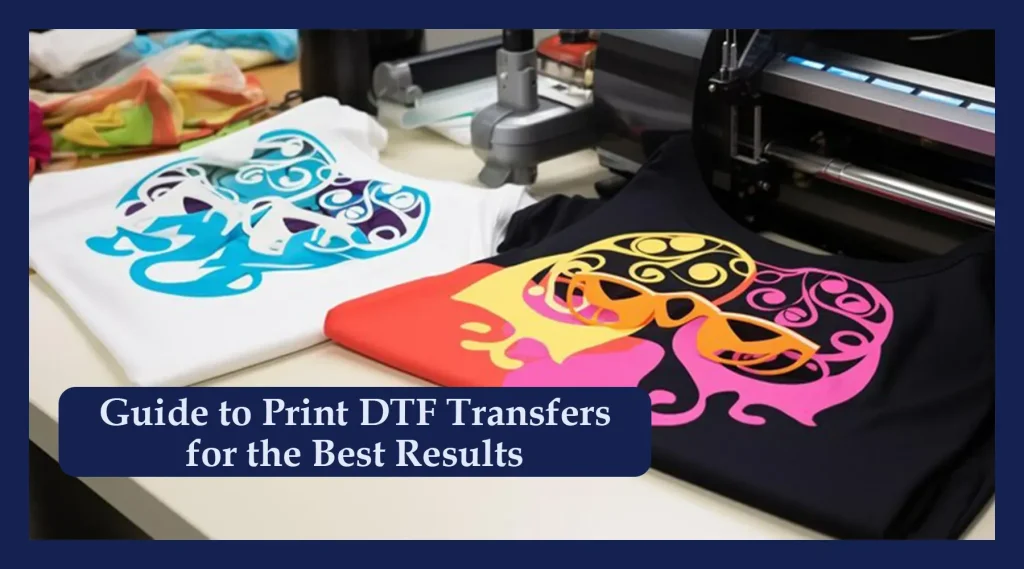
DTF Transfers have transformed custom apparel and textile projects with versatile, durable results. This post breaks down the DTF printing process, from design concepts to finished prints. You’ll learn how DTF transfers work, including color management, white underbases, and adhesive powders that help produce durable fabric prints. The focus is on creating bright color transfers with a smooth hand feel, using a design to print workflow that minimizes waste and speeds up production. Whether you’re new to this technology or expanding your setup, this guide provides practical tips to optimize setup, color accuracy, and final bonding to fabrics.
An alternative framing for this approach is direct-to-film technology, sometimes described as a film-based transfer method, which starts with artwork onto a PET carrier before heat pressing to fabrics. This heat-activated process relies on premixed inks and a curing step to secure the image, delivering comparable vibrancy and a soft hand. When you map the work from concept to production, you can use a color-managed workflow and standardized setup to keep results consistent across runs. For designers weighing options, you gain flexibility, fast setup, and broad substrate compatibility, including cotton, blends, and synthetics.
DTF Printing Process: From Design to Film to Fabric
The DTF printing process begins with translating your artwork into a print-ready design and preparing it for transfer. This stage involves printing onto a transparent PET film using CMYK inks, with a white underbase layered as needed to preserve color vibrancy on darker fabrics. By focusing on the DTF printing process, you can achieve precise color reproduction, sharp edges, and smooth gradients that are essential for high-quality textile designs.
Understanding this process helps you anticipate how colors will appear on fabric and how the white underbase will influence brightness on both light and dark substrates. The combination of color layering, film handling, and controlled curing sets the foundation for durable fabric prints and a soft hand feel that remains comfortable during wear and wash cycles. Mastery of the DTF printing process also paves the way for consistent results across batches and different garment types.
How DTF Transfers Work: The Core Mechanism Behind Vibrant Prints
How DTF transfers work involves moving a printed PET film through a heat-activated bond to the fabric. After printing with CMYK inks (and a white layer when needed), an adhesive powder is applied and cured so the film can release and bond to the garment under heat and pressure. This basic mechanism is what enables the transfer to deliver bright imagery with good adhesion on a wide range of fabrics.
The result is a durable, flexible print that does not crack or peel easily when washed. By controlling temperature, time, and pressure during the heat transfer, you can maximize color saturation and ensure that fine details, gradients, and textures are faithfully reproduced. This core process is what makes DTF transfers a versatile option for both small runs and longer production cycles.
The Design to Print Workflow for DTF: Planning, Color, and Output
The design to print workflow outlines how artwork becomes a transfer, emphasizing careful design preparation and color management. Start with high-resolution files and choose color profiles compatible with CMYK inks used in DTF. Calibrating monitors ensures screen colors align with the printed result, reducing surprises when the transfer lands on fabric.
File preparation and layout decisions are the next critical steps in the design to print workflow. Save files in print-ready formats, remove alpha channels when not needed, and plan for mirroring or placement based on your equipment. White underbase planning is also essential for darker fabrics, helping to preserve brightness and maintain consistent color across different garment colors.
Creating Durable Fabric Prints with DTF Transfers: Longevity and Washability
DTF Transfers are prized for durability. Proper curing of the adhesive powder and a well-controlled heat press bond create images that resist cracking and fading through multiple washes. When executed correctly, the combination of robust adhesives and high-quality CMYK inks yields durable fabric prints that retain color integrity over time.
This durability extends across various substrates, including cotton, blends, and even polyester blends, provided the heat settings and substrate preparation are appropriate. Understanding material compatibility and wash recommendations helps customers protect their prints, ensuring long-term performance while maintaining the soft hand feel that DTF transfers offer.
Achieving Bright Color Transfers: Color Management and Underbases
Bright color transfers hinge on strict color management, the use of a white underbase, and multi-layer ink application. The white layer boosts color saturation on dark fabrics and prevents color shifts, resulting in vivid, eye-catching designs. Calibrated profiles and soft-proofing help ensure the final result matches expectations across different lighting and viewing conditions.
To maintain consistency, implement proofing steps such as soft proofs on screen and physical proofs on film before committing to production. This approach minimizes mismatches and ensures that each run delivers bright color transfers with strong contrast and clean edges, no matter the fabric color or texture.
Optimizing Substrates, Inks, and Process for Consistent Results
Optimizing substrates and inks is essential for repeatable, high-quality DTF transfers. Choose fabrics that tolerate heat and adhesive bonding—cotton and cotton blends work well, while polyester blends can also perform strongly with the right settings and compatible adhesives. Selecting high-quality DTF pigment inks can expand the color gamut, improve wash durability, and enhance overall brightness.
This section also emphasizes streamlining the design to print workflow and equipment maintenance. Regularly calibrate heat, pressure, and temperature, keep the workspace clean and ventilated, and test new fabric types on sample garments before large runs. Documenting successful settings for each fabric type helps teams reproduce consistent, professional results across orders.
Frequently Asked Questions
What is the DTF printing process and how do DTF transfers work?
DTF transfers begin with the DTF printing process on a PET film: CMYK inks are printed with a white underbase, followed by applying an adhesive powder, and then heat pressing the film onto fabric. The result is a durable transfer with bright color transfers and a soft hand feel. This workflow hinges on careful design preparation, color management, film preparation, and precise heat-pressing to ensure long-lasting results.
How can you achieve durable fabric prints with DTF transfers?
To achieve durable fabric prints, focus on proper curing of the adhesive, correct heat and pressure settings, and selecting compatible fabrics. Use a solid design-to-print workflow, validate color management, and follow washing guidelines to preserve adhesion and color brightness over time.
What factors influence the brightness of DTF transfers on fabrics?
Brightness in DTF transfers is driven by the white underbase quality, multi-layer ink application, and accurate color management. The choice of film, ink set, and precise curing also impact color saturation, especially on dark fabrics where underbase visibility matters for vibrant results.
What is the design to print workflow for DTF transfers?
The design-to-print workflow for DTF transfers includes design creation, color management, file preparation, and mirroring considerations, followed by printing on PET film, powdering, curing, and finally heat pressing onto the garment. Calibrated workflows help maintain color accuracy and alignment across batches, delivering consistent durable prints.
How do you choose substrates and inks for DTF transfers to ensure durable, bright color prints?
Choose fabrics that can withstand heat and adhesive bonding, such as cotton and certain blends, while testing polyester blends with appropriate settings. Select high-quality DTF pigment inks for broader color gamut and better wash durability, and ensure the adhesive is compatible with both the fabric and inks to achieve bright color transfers and lasting adhesion.
How do DTF transfers compare to other printing methods for durable fabric prints and bright color transfers?
DTF transfers offer a versatile middle ground compared with DTG, screen printing, and sublimation. They typically deliver strong color brightness on a wide range of fabrics, work well for small runs and complex designs, and maintain a soft hand feel. When planning a project, weigh the design-to-print workflow and substrate needs to determine the best method for durability and vibrancy.
| Aspect | Key Points |
|---|---|
| What are DTF Transfers? | Direct-to-Film transfers print designs onto PET film using CMYK inks and a white underbase, apply adhesive powder, and transfer to fabric with heat and pressure; versatile across cotton, blends, and polyester; durable, bright prints with a soft hand feel. |
| Design to Print Workflow | Stages include design creation, color management, file preparation, mirroring/layout, and planning a white underbase to protect color on dark fabrics. |
| Printing on PET Film | Print onto PET film with CMYK inks; white ink for base on dark fabrics; multiple layers build color; quality checks before adhesive stage. |
| Powder Adhesive & Curing | Adhesive powder is applied and cured with heat to form a durable bond that withstands washing. |
| Heat Press Process | Bonding the film to fabric via heat, time, and pressure; preheating; appropriate temperature (about 160–180°C); even pressure; post-press cooling. |
| Durability & Brightness | Strong color brightness and durability when properly cured; prints maintain softness and flexibility across fabrics. |
| Substrates & Inks | Cotton and cotton blends are reliable; polyester blends can work with correct heat settings and compatible adhesives; CMYK inks offer color gamut and wash durability. |
| Common Pitfalls | Faded colors after washing, peeling/cracking, underbase gaps, and color misalignment; remedies include proper curing, calibration, and re-evaluation of layout. |
Summary
DTF Transfers offer a durable, vibrant path to customizable apparel across fabrics. This descriptive conclusion highlights how the design-to-print workflow, proper curing, heat pressing, and substrate selection yield bright, long-lasting prints with a soft hand feel. By following best practices for color management, file preparation, and post-press care, creators can scale small runs or one-off designs with confidence. In short, DTF Transfers balance versatility, color fidelity, and garment comfort, making them a reliable method for apparel designers, hobbyists, and production studios alike.