
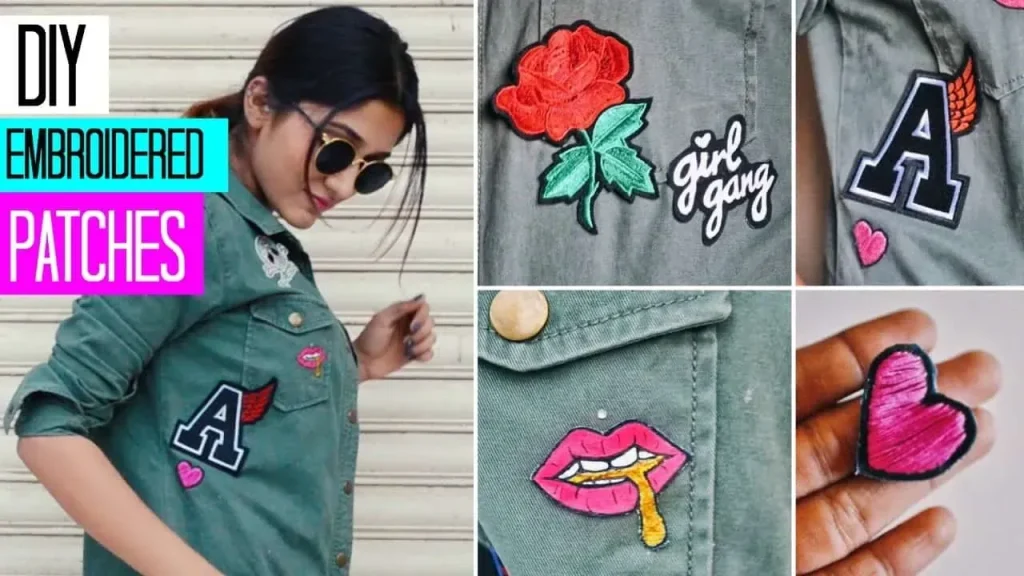
DIY Patch Ideas invite you to transform everyday items into wearable art with color, texture, and a personal touch. Whether refreshing a well-worn tote, revitalizing faded jeans, or adding attitude to a hoodie, patches turn ordinary fabrics into statement pieces via DIY patches for bags. From bold patches to subtle embroidery, this approach helps you tailor colors, shapes, and textures to reflect your unique style. For beginners, the process is approachable, with practical steps on choosing patches, mastering basic sewing, and care to keep finishes durable, especially for sewing patches for beginners. By the end, you’ll discover a library of techniques for jeans patch ideas, hoodie patch ideas, and custom patches DIY that celebrate sustainability and self-expression.
Alternative terms for this craft include fabric embellishment, mending with style, and decorative garment accents that extend wear while telling a story. This broader view frames patching as upcycling and personal branding, using patches, appliques, and embroidery to revitalize canvas, denim, and knitwear. From beginner-friendly methods to advanced layout planning, the concept centers on sustainable sewing and expressive typography or imagery. Whether you call it fabric adornment, needlework repairs, or customized patches, the goal remains the same: extend the life of clothing with creative, wearable art.
DIY Patch Ideas for Bags: Practical Guides to Patching Totes and Backpacks
DIY patches for bags offer a quick, creative way to refresh a tote, backpack, or messenger bag. When selecting patches for bags, consider the bag’s color, material, and how patches will sit against the surface. For canvas, iron-on or sew-on patches work well, while leather or faux leather bags benefit from appliqué patches with fabric backing or riveted leather patches to create a premium look. A thoughtful approach to materials—cotton, canvas, leather, or suede—helps ensure durability as you experiment with different textures and shapes.
Start with a cohesive color story to prevent a chaotic collage. Combine a bold focal patch with smaller accents around the edges to anchor the design without overpowering the bag’s silhouette. Place larger patches on the front panel of totes for maximum impact, and consider adding smaller patches along handles or near corners to balance weight and visibility. Iron-on patches offer convenience for quick updates, while sew-on patches tend to endure better through washing; many enthusiasts even pair both methods, reinforcing edges with a few hand stitches for longevity.
Jeans Patch Ideas: Repair, Refresh, and Personalize Denim
Denim is forgiving and a great canvas for jeans patch ideas. Use patches not only to mend holes but to add personality through knee reinforcements or decorative back-pocket accents. A large patch over a worn knee can extend the life of jeans while creating a visual focal point, and you can anchor it with strong stitches or a decorative outline that mimics visible mend-and-stitch aesthetics. If you prefer a subtler look, choose colors close to your denim shade and use circular patches along the knee to mimic classic repairs.
Mix textures to elevate denim patchwork. Patch ideas for jeans aren’t limited to plain fabric patches; you can blend embroidery patches, denim-on-denim overlays, or felt appliqués for depth. Think in terms of rhythm—geometric hexagons, botanical leaves, or travel-themed graphics can create a cohesive narrative across the garment. For a refined yet casual vibe, pair bold, statement patches with smaller, understated ones to maintain balance while adding personality to the classic denim silhouette.
Hoodie Patch Ideas: Cozy Details to Elevate Sweatshirts
Hoodies and sweatshirts welcome patches with forgiving textures and flexible backing. Choose patches made with slightly stretchier backing or lightweight fusible to minimize puckering. Leather, denim, plaid, and felt patches all work well, and you can tailor designs to interests like music, nature, sports, or travel—common themes in hoodie patch ideas. The soft fabric of a hoodie also adapts well to clusters of smaller patches along the sleeves or shoulders for a casual, collegiate vibe.
Placement matters for hoodies. A broad chest patch or a line of patches along the sleeves creates balance, while a cluster near the shoulder seam or cuffs yields a more relaxed look. If you want a narrative touch, place a large back patch that makes a bold statement, or use typography patches to feature a favorite saying. You can even stitch a short word or phrase directly onto the garment using a patch as backing or a separate element with visible decorative stitching that highlights your personality.
Custom Patches DIY: Design, Materials, and Durable Attachments
Custom patches DIY centers on turning your ideas into tangible embellishments. Start with design choices—shapes, colors, and motifs—that align with your personal aesthetic. Patch types such as embroidery, woven, or printed patches offer different textures and flexibilities, and backing options (iron-on, sew-on, or mixed methods) impact how you attach them to fabrics like denim, cotton, or leather. By exploring a mix of patches with varied backing materials, you can craft a distinctive look that feels genuinely yours.
Durability comes from choosing the right attachment method for each item. Iron-on patches provide speed, but sew-on patches tend to endure through washes and wear. When working with delicate fabrics, consider stabilizing the area before applying patches and finishing with secure stitches around the perimeter. For heavier items or frequent use, reinforce patches with a few hand stitches or fabric glue on the edges to prevent curling, ensuring long-lasting results that still look handcrafted.
Sewing Patches for Beginners: A Simple Path to Confident Patchwork
Sewing patches for beginners emphasizes accessible, step-by-step progress. Start with a small set of high-impact patches and a basic toolkit—sharp needles, a sturdy thread, pins, scissors, and a fabric chalk for placement. Beginner-friendly patches can be ironed first for quick wins, then reinforced with hand stitches along the edges to build confidence and practice. As you gain familiarity, you’ll understand how different fabrics behave and where to place patches for maximum durability.
Plan layouts before you cut and sew. Cut out paper templates to preview how patches will sit on your item, or lay patches directly on the fabric to experiment. Use washable chalk to mark outlines, especially when patching multiple items at once. Attach patches with a few running stitches around the edge, matching thread to patch or choosing contrast to emphasize your handiwork. Finish by testing the garment through gentle washing to ensure secure adhesion and edge stability.
Sustainable Style with Patches: Upcycling Your Wardrobe with Patchwork
DIY Patch Ideas can be a sustainable path to refresh old clothing and extend its life. Upcycling jackets, bags, or jeans not only reduces waste but also creates a fresh platform for self-expression. Patches from thrifted fabrics, small embroidery scraps, or even custom patches designed to commemorate memories let you reimagine items you already own. This sustainable approach aligns with a mindful mindset—be resourceful, be daring, and celebrate the fibers you wear.
Care, maintenance, and thoughtful planning help patches live longer. Wash items on a gentle cycle, inside out, and avoid high-heat drying. For patches with adhesives, air-dry until fully cured before handling. Regularly inspect edges and re-stitch or reinforce any loose corners to prevent snagging. By combining style with sustainability, you can build a wardrobe that remains vibrant while reducing waste and embracing a more intentional approach to fashion.
Frequently Asked Questions
What are DIY Patch Ideas for bags and how do I get started with DIY patches for bags?
DIY Patch Ideas for bags—aka DIY patches for bags—let you customize totes, backpacks, and purses with color, texture, and personality. Start by choosing a cohesive color story, decide between iron-on or sew-on patches, and plan your layout before applying. For beginners, place a large patch on the front for focal impact and reinforce edges with a few stitches for durability.
What are jeans patch ideas to refresh denim using DIY Patch Ideas?
Jeans patch ideas can refresh denim by mending wear and adding style. Start with patches that match your denim tone and place a large patch over a worn knee to create a focal point, then sew or glue around the edge. Mix textures—embroidery patches, felt, or denim-on-denim overlays—to add depth while keeping a cohesive look as part of your DIY Patch Ideas approach.
What are hoodie patch ideas and how can I apply patches to a hoodie?
Hoodie patch ideas offer a cozy canvas for personal style. Choose patches with soft backing, stretch-friendly materials, and place them to mirror the hoodie’s lines—across the chest, sleeves, or back. Start with iron-on for quick updates or sew-on patches for durability, then add decorative stitches for a handmade look.
How can I design custom patches DIY to reflect my style?
Designing custom patches DIY lets you turn your ideas into wearable art. Start by sketching shapes or selecting patch motifs that reflect your style, choose backing (iron-on or sew-on) and a size range, and plan a layout that works across different items. Use a consistent color palette and mix patch types to tie bags, jeans, and hoodies together with the same design language.
What are sewing patches for beginners and how can I start patching bags, jeans, and hoodies?
Sewing patches for beginners can be approachable with simple shapes and sturdy patches. Gather basic supplies, plan your layout, then pin patches and sew around the perimeter with a basic running stitch for durability. For extra hold, reinforce with a few small stitches along the edges after washing to keep patches secure.
How do I apply DIY Patch Ideas across bags, jeans, and hoodies to create a cohesive look?
Start with a cohesive color story and a unifying motif or texture. Plan layouts with paper templates, then group patches so a single large patch anchors the design and smaller patches balance the composition across each item. Preview your arrangement, then apply patches using the chosen method (iron-on or sewing) to achieve a unified, stylish DIY Patch Ideas result.
| Topic | |
|---|---|
| Introduction: What DIY Patch Ideas are and aim | Fun, creative way to transform everyday items into unique, personalized fashion pieces; tailor colors, shapes, themes, and textures; beginner-friendly; covers bags, jeans, hoodies; helps reflect personal style. |
| Benefits & Focus | Patches mend, reinforce, and extend fabric life; sustainable alternative to fast fashion; start simple to build confidence; the concept combines craft with a mindset: be resourceful, daring, and mindful of fabric care. |
| Patching Bags | Bags offer large surface areas and are practical for patch display; use iron-on or sew-on patches on canvas; leather/faux leather can use applique or riveted patches; plan color story, placement, and shapes; combine methods for durability. |
| Jeans Patch Ideas | Repair and refresh denim with knee, back-pocket, or thigh patches; mix textures and shapes; consider denim-tone patches for blending or bold motifs for statement pieces; denim-on-denim accents can work well. |
| Hoodies & Sweatshirts | Hoodies provide a forgiving canvas; suitable patches include leather, denim, plaid, and felt; placement ideas: chest patch, sleeve row, shoulder cluster, or back large patch; typography patches add narrative. |
| Steps to Bring Ideas to Life | 1) Gather patches and supplies. 2) Prepare fabric. 3) Plan layout with templates or markers. 4) Attach patches (iron-on or sew-on). 5) Finish and test, then wash per care instructions. |
| Design & Layout Tips | Use a simple color palette at first; mix shapes/sizes for interest; vary backing materials for texture; keep staple patches for reuse; photograph layouts to replicate across items. |
| Care & Maintenance | Wash gently inside out, air-dry when possible; ensure patches cure for adhesives; reinforce edges with stitches if needed; inspect edges regularly to prevent curling. |
| Sustainable & Creative Angles | Upcycling approach reduces waste; source patches from thrifted fabrics or studios; design patches around personal memories, travel, or favorite themes to expand practice. |
| Budget & Planning | Patching can be affordable by reusing patches and keeping a small stash; start with high-impact patches and grow gradually as you gain confidence. |