
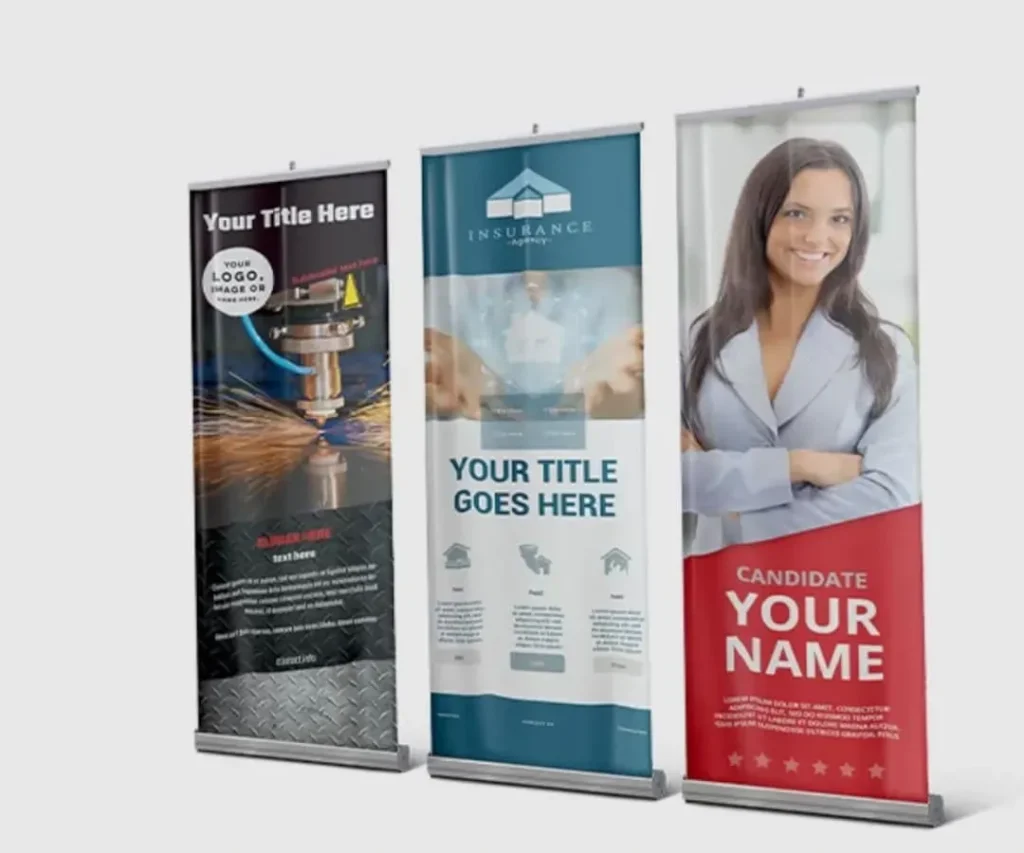
Custom Roll-up Materials and Finishes influence how banners perform at events, trade shows, and retail displays. Beyond aesthetics, the materials you choose determine print quality, durability, and legibility in busy environments. Choosing reliable roll-up banner materials is essential for a crisp message and a strong brand presence. Different substrates interact with light and ink in unique ways, shaping color fidelity and long-term performance. Understanding these options helps you balance cost with impact as you plan your next display.
In practical terms, the topic can be reframed as choosing the right display media and protective coatings to optimize legibility, durability, and sheen. From a practical standpoint, the discussion often uses different terms for substrates and coatings. When it comes to finishes, matte vs gloss finishes are a common option that can dramatically impact readability and color saturation under venue lighting. Protective laminates and UV resins extend life without sacrificing sharpness, letting banners endure multiple uses. By mapping these concepts to your deployment plan, you can select materials that balance budget, durability, and brand impact.
Understanding Roll-up Banner Materials and How They Affect Quality
Roll-up banner materials form the backbone of how your display reads and lasts. When considering roll-up banner materials, you’ll encounter vinyl or PVC-based options, polyester fabrics, and lighter polypropylene films. These choices influence print sharpness, color fidelity, and how the banner handles repeated rolling. For many applications, vinyl banner material and PVC roll-up banners offer a reliable balance of durability and print clarity, especially in indoor settings where cost and replaceability matter.
Beyond the basics, the material choice also affects how the banner folds, unrolls, and lies flat at the display. Heavier vinyl and coated fabrics tend to resist curling and edge wear, while lighter films may curl or crease more easily. Print compatibility and color reproduction vary by material, making it important to align your material with your printer’s inks—solvent, UV, latex, or dye-sublimation—to maximize the imaging results.
Finishes that Elevate Readability and Visual Impact
Banner finishes play a pivotal role in legibility and aesthetics. Matte finishes reduce glare from overhead lighting and ambient sunlight, making copy easier to read in busy trade show halls or retail spaces. This is especially important for text-heavy banners or messages where clarity is critical, and it complements a broad spectrum of roll-up banner materials.
Gloss finishes can intensify color depth and image brightness, giving logos and photos a punchier presence on the display. However, gloss coatings can reflect lighting and reveal dust or fingerprints more readily. A satin finish often represents a balanced option, delivering vibrant color with moderated glare while maintaining a professional appearance across different viewing angles.
Custom Roll-up Materials and Finishes: Balancing Print Quality, Durability, and Budget
Custom Roll-up Materials and Finishes is a phrase that captures the core trade-off decision for any banner program. By selecting the right combination of material—whether vinyl banner material, PVC roll-up banners, or premium fabric—and applying an appropriate finish, you can optimize print quality, durability, and cost. This balance enables you to meet expectations for indoor displays, seasonal events, or high-traffic venues without compromising brand integrity.
A practical approach is to test a few material and finish pairings to observe how color, sharpness, and texture behave under your actual lighting and viewing distances. If your priority is longevity and reuse, a fabric banner with a protective laminate may deliver a premium look and durability, while a vinyl option with UV coating can be more cost-effective for short-term campaigns. Aligning your choice with the event environment ensures you maximize impact within budget.
Outdoor Readiness and Protecting Roll-up Displays
Outdoor or semi-outdoor usage introduces additional considerations for roll-up banners. UV resistance and weather tolerance become essential, particularly if banners will be near windows, in sunny venues, or exposed to varying temperatures. Laminates and UV coatings help preserve image quality and color saturation on PVC roll-up banners and other materials, extending life despite sun exposure and handling.
Edge finishing and hardware compatibility influence how well banners stand up to outdoor use. Hemmed edges, pole pockets, or grommets not only secure mounting but also contribute to durability against bending and wear during repeated deployments. Choosing materials designed for resilience—paired with appropriate edge finishing—helps maintain a consistent, professional appearance over multiple events.
Printing Methods and Color Fidelity with Roll-up Banner Materials
Understanding printing compatibility is essential when selecting roll-up banner materials. Different substrates respond differently to solvent, UV, latex, and dye-sublimation inks, affecting color accuracy, saturation, and gamut. Ensuring your chosen material aligns with your printer and ink ecosystem helps you achieve reliable results across batches and campaigns, reinforcing brand consistency.
Color management becomes even more critical when coordinating multiple banners for a live display. Materials such as vinyl banner material and fabric have distinct color behaviors under various lighting, so you may need proofs or samples to confirm alignment with your brand guide. Consistent color across roll-up banners supports a cohesive, professional presence at events and in retail environments.
Maintenance, Care, and Storage to Extend Roll-up Lifespan
Maximizing the life of roll-up banners involves practical maintenance and careful handling of the chosen material. Regular cleaning with a soft, damp cloth helps preserve image quality and reduces buildup that can affect readability. For vinyl banner material, avoid harsh solvents that could degrade coatings, while fabric banners benefit from gentle cleaning and proper drying to prevent set-in wrinkles.
Storage and transport are equally important. Roll banners carefully, print side inward, and store in protective tubes or bags to minimize creasing and dust exposure. Periodic inspection of grommets, poles, and bases helps prevent damage during setup and teardown, ensuring the banner remains ready for future use and maintains its visual impact.
Frequently Asked Questions
What are the key differences between vinyl banner material and PVC roll-up banners when selecting roll-up banner materials?
Vinyl banner material is a durable, cost-effective option with sharp color reproduction and good indoor longevity. PVC roll-up banners refer to the vinyl-based substrates used in roll-ups, typically offering strong print fidelity and ruggedness for frequent use. When evaluating roll-up banner materials, consider print compatibility, expected life, weight, curl resistance, and whether you want a classic vinyl look or a fabric alternative. Custom Roll-up Materials and Finishes considerations can help guide this choice.
How do banner finishes affect readability on roll-up banners?
Banner finishes influence glare and color perception. Matte finishes minimize reflections, improving readability in bright venues, while gloss finishes boost image brightness but can create glare. A satin finish often provides a balanced readability while preserving color impact.
Should I choose polyester fabric banners or vinyl for PVC roll-up banners as part of my roll-up banner materials?
Polyester fabric banners offer a premium look and reduced glare, making them ideal for high-end displays, but they may have slightly softer edge sharpness. Vinyl banner material used for PVC roll-up banners typically delivers sharper text and logos and better durability at a lower cost. Choose based on appearance, reuse needs, and how much edge crispness you require.
What finishes or lamination options best suit high-traffic environments for banner finishes?
Matte finishes reduce glare and improve legibility in busy spaces, while lamination or UV coating protects against scuffs and fading. For durability, combine UV coatings with a protective laminate and ensure edge finishing and anti-curl options to keep banners looking professional in high-traffic environments.
How long do PVC roll-up banners last outdoors and what role do UV coatings play in banner finishes?
Outdoor use requires UV protection to slow fading from sun exposure, and a durable laminate or coating to resist moisture and wear. PVC roll-up banners with UV coatings typically last longer outdoors than uncoated vinyl, but performance also depends on storage, mounting, and wind conditions.
What maintenance steps help protect roll-up banner materials and finishes across multiple events?
Clean the print surface with a soft damp cloth and mild soap, store rolled in a protective tube, and avoid sharp folds to prevent curling. Regularly inspect hardware like grommets and poles, and consider lamination or protective coatings to extend the life of roll-up banner materials and finishes.
| Aspect | Key Points |
|---|---|
| Material Families |
|
| Finishes and Why They Matter |
|
| Durability in Real-World Use |
|
| Choosing the Right Custom Roll-up Materials and Finishes |
|
| Maintenance and Care Tips |
|
| A Practical Checklist for Your Next Purchase |
|
| Common Questions About Roll-up Materials and Finishes |
|
Summary
Custom Roll-up Materials and Finishes play a central role in how banners perform across events, affecting readability, durability, and brand perception. By choosing the right combination of vinyl, PVC, and polyester fabrics, and pairing them with suitable finishes such as matte, gloss, satin, laminations, and UV protection, you can create roll-up banners that look strong, stay legible in busy venues, and endure repeated use. Consider your environment, expected lifecycle, and print method to optimize for ink compatibility and color fidelity. Through careful testing and maintenance, your Custom Roll-up Materials and Finishes will deliver clear messaging and consistent branding at every trade show, conference, or retail display.