
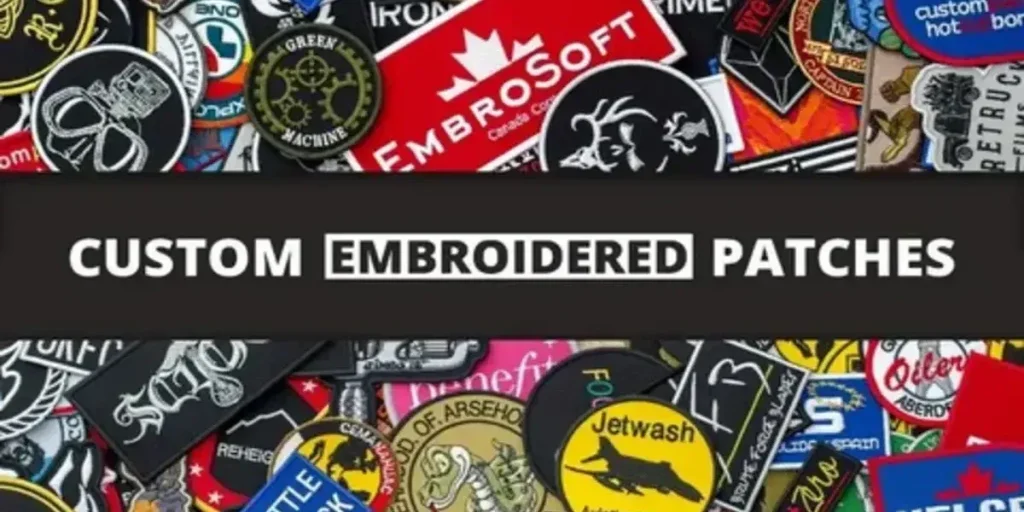
Custom patches on a budget immediately signals a practical approach to boosting brand visibility, team pride, or event identity without overspending, making high-quality branding accessible to clubs, startups, nonprofits, and hobby groups alike across sports, schools, and community programs. Budget-friendly custom patches can deliver durable stitching and vibrant colors when you choose efficient backing options, simpler shapes like circles or shields, smaller production runs, and vendors who offer free proofs and color matching. Understanding cost-saving tips for patches helps you trim setup fees, compare multiple vendors, request digital proofs early, negotiate volume discounts, and select backing types that balance adhesion with longevity, turning a modest order into real per-unit savings. There are affordable embroidery patches that look premium when you emphasize clean borders, reliable thread choices, consistent stitching density, and smart color matching, showing that you don’t need luxury prices to achieve a professional, durable finish. With a strategy that leverages bulk patch discounts and smart DIY patch ideas—such as in-house customization, patch kits for education programs, or pilot runs—you can scale your branding effort while staying well within budget.
A cost-conscious approach to choosing emblems for apparel isn’t just about the sticker price; it’s about the overall value a well-made patch adds to uniforms, events, or club identity. Think in terms of badges, emblems, or sewn patches that convey cohesion and pride without breaking the bank. Link design decisions to production realities by prioritizing bold, simple shapes, durable threads, and consistent backing, which align with bulk pricing and long-lasting wear. Selecting suppliers who provide free proofs, tiered discounts, and reliable customer service can turn a small pilot run into scalable growth for future launches.
Understanding the true cost of custom patches: planning for budget-friendly options
The true cost of custom patches isn’t embroidery alone. Several factors shape the final price: patch size, backing type (iron-on, sew-on, or adhesive), the number of colors in the design, the fabric used for the patch base, the thickness and finish, and the quantity ordered. Small runs carry higher per-piece costs because setup and tooling are spread over fewer units, while larger orders tend to reduce the unit price but require careful budgeting for storage and cash flow.
If your objective is budget-friendly custom patches, anticipate these variables and plan accordingly. Reducing the number of colors, simplifying patch shapes, and choosing a smaller size can noticeably lower dye costs and production time. The right balance between size and color complexity often yields meaningful savings, especially when ordered in bulk or across multiple groups. This is where cost-saving tips for patches come into play to keep quality intact while trimming expenses.
Choosing the right patch type and materials for affordable embroidery patches
Two common questions are: which patch type should I buy, and what backing is best for my use case? Embroidered patches with a merrow border are classic and durable, but woven patches can be cheaper and offer a different texture. For items subjected to frequent washing, heat-sealed or high-tack backings tend to stay on longer; promotional events may favor iron-on or adhesive backs for convenience, though longevity should be tested in real wear.
For budget-minded buyers, affordable embroidery patches often strike the best balance between cost and quality. Sourcing from vendors that offer color-matching, free proofs, and flexible minimums can shave dollars off the final bill. Bulk patch discounts are a powerful lever; increasing quantity—even modestly—can unlock meaningful savings per patch when outfitting multiple teams, clubs, or events.
Cost-saving strategies that actually work for patches: practical tips
Plan ahead and align your design with production realities. Here are practical tactics to lower costs without sacrificing impact: optimize quantity with staged releases, simplify design and colors to reduce embroidery time, and choose a sensible patch size and shape to minimize per-unit costs.
Additional strategies include favoring fewer color changes and simpler borders, leveraging bulk patch discounts across multiple orders, requesting proofs and samples to prevent costly reprints, and comparing vendors and lead times to negotiate better terms. Considering alternative backings for non-wash-heavy uses and bundling patches with other branding services can also yield significant cost-saving benefits.
Custom patches on a budget: balancing cost and quality
Custom patches on a budget demand thoughtful choices that preserve a premium look without overspending. Prioritize durable thread choices, reliable backings, and consistent stitching density, while avoiding overly complex artwork that inflates cost. A well-balanced, budget-friendly approach often yields sharper visuals than a highly intricate patch that’s poorly executed.
To maximize value, emphasize simple designs, clear color references, and predictable finishes. Opt for compact shapes, limit color blocks to keep production predictable, and ensure the design remains legible at small sizes. These steps align with developments in affordable embroidery patches and fittingly support the goal of budget-friendly custom patches.
DIY patch ideas and smart usage to stretch your budget
DIY patch ideas are particularly valuable when you have access to a small in-house setup or community workshop. Limited runs for events, pilots, or experimental lines can be produced in small batches and scaled up if the concept proves successful, while patch kits or design workshops serve as community-building activities that reinforce brand value without heavy upfront costs.
Pairing DIY patches with commercially produced patches expands options for budgeting. In-house patches can cover limited editions or testing phases, while professionally produced patches ensure durability for high-traffic items. This mix supports a flexible strategy that preserves quality while extending the reach of your branding and keeps costs aligned with objectives.
Vendor selection, negotiation tactics, and bulk patch discounts for value
The right supplier can be a major driver of value. When evaluating vendors, look beyond the per-unit price and consider factors like turnarounds, proofs, sample policies, shipping costs, sustainability, and customer service. Bulk patch discounts become especially meaningful when you’re outfitting multiple groups or running recurring orders.
Beyond price, prioritize reliability and communication. A vendor with clear processes, loyalty programs, and scalable minimums can deliver ongoing savings across several orders. By combining careful vendor selection with a strategic budget plan, you’ll secure high-quality patches that look premium without overspending.
Frequently Asked Questions
What is the best approach for creating custom patches on a budget without sacrificing quality?
For custom patches on a budget, start with a simple design, limit colors to 2–4, and choose a smaller, easier-to-produce patch shape. Select practical backings (iron-on for quick deployment or sew-on for longevity) and request free proofs to confirm colors before production. Ordering in bulk can lower unit costs, and comparing vendors and shipping terms helps lock in the best overall price.
How can budget-friendly custom patches help outfit a sports team or club affordably?
Budget-friendly custom patches let you outfit multiple teams by leveraging bulk patch discounts, standard shapes, and bulk orders. Use a simple color palette, reuse a single design across groups, and stagger orders to manage cash flow. Always check proofs and lead times with vendors to avoid costly mistakes.
What are some cost-saving tips for patches that keep projects under budget?
Key cost-saving tips for patches include simplifying the design (fewer colors), choosing a sensible patch size, using durable but affordable backing, and taking advantage of bulk discounts. Get free proofs, compare multiple vendors, and consider bundling with other embroidery orders to maximize savings.
Are affordable embroidery patches a good option for beginners or small orders?
Yes—affordable embroidery patches can still deliver quality with careful choices: pick standard backing, limit embroidery colors, and ask for color-matched threads and proofs. Woven patches can be cheaper for certain looks, and consider iron-on or adhesive backings for quick deployments.
How do bulk patch discounts affect overall costs when ordering patches for multiple groups?
Bulk patch discounts reduce unit costs as quantity increases, making it efficient to outfit several groups. Coordinate across teams to hit tiered pricing, combine shipping, and plan for storage costs. Keep in mind lead times and proofs to ensure the bulk buys translate to real savings.
What DIY patch ideas work well with a budget and still look professional?
DIY patch ideas can complement professional patches and stretch a budget: start with small pilot runs or patch kits, use simple shapes, and pre-cut materials for rapid assembly. Use DIY patches for events or pilot products, then scale up with vendor patches if the concept proves successful.
| Topic | Key Points | Notes / Examples |
|---|---|---|
| Introduction | Custom patches on a budget are feasible and scalable for branding, teams, or events; aim for high quality without overspending. | Plan, compare options, and negotiate with suppliers to balance value and appearance. |
| Understanding true cost of patches | Cost is driven by patch size, backing type, colors, fabric, thickness, finish, and quantity. Small runs are pricier per unit; larger orders reduce unit cost but storage and cash flow matter. | Identify the major drivers to target savings (e.g., cut colors, adjust size, and batch orders). |
| Choosing the patch type and materials | Embroidered patches with merrow borders are durable; woven patches can be cheaper; backings include iron-on, sew-on, or adhesive; durability vs. convenience varies by use case. | Consider color-matching and proofs; bulk discounts can lower costs; select backings based on reuse and washing frequency. |
| Cost-saving strategies | Plan ahead, simplify design and colors, select sensible patch size/shape, minimize color changes, and exploit bulk discounts; request proofs and compare vendors; bundle with other products. | Stage releases to test demand; small, initial runs reduce risk and overstock. |
| DIY patch ideas and usage | In-house or community workshop patches can complement commercial patches; pilot projects and patch kits can extend reach and reduce upfront costs. | Use DIY patches for limited runs or events and scale up as concepts prove success. |
| Quality vs. cost | Durable thread choices, reliable backing, and consistent stitching density matter; request factory color references to prevent drift; simple, well-executed patches can look premium. | Balance aesthetics with production realities to avoid quality issues. |
| Vendor selection and negotiation | Evaluate turnaround time, proofing, samples, shipping, customer service, and sustainability; price isn’t the only driver—support and reliability matter. | Negotiate loyalty programs or bulk pricing; request free proofs or samples to reduce risk. |
| Integrating patches into your strategy | Patches serve branding and loyalty roles—giveaways, rewards, or limited editions to drive engagement while reinforcing messaging. | Coordinate patches with broader branding goals for maximum impact. |
| Conclusion | Custom patches on a budget are entirely achievable with the right planning, design, and vendor strategy. | Understand true costs, choose suitable patch types, simplify designs, leverage bulk discounts, and negotiate to maximize value. |
Summary
Custom patches on a budget are within reach when you plan strategically, choose the right patch types, and negotiate effectively with suppliers. By understanding the true costs, simplifying designs, and leveraging bulk pricing, you can preserve a professional look without compromising on durability. This approach combines careful design decisions, smart material choices, and vendor negotiation to maximize value across branding, team, and event applications. With thoughtful use of patches in your branding strategy—whether as giveaways, rewards, or limited-edition items—you reinforce your message while staying financially responsible. In short, disciplined budgeting and vendor management make high-quality patches affordable and impactful.