
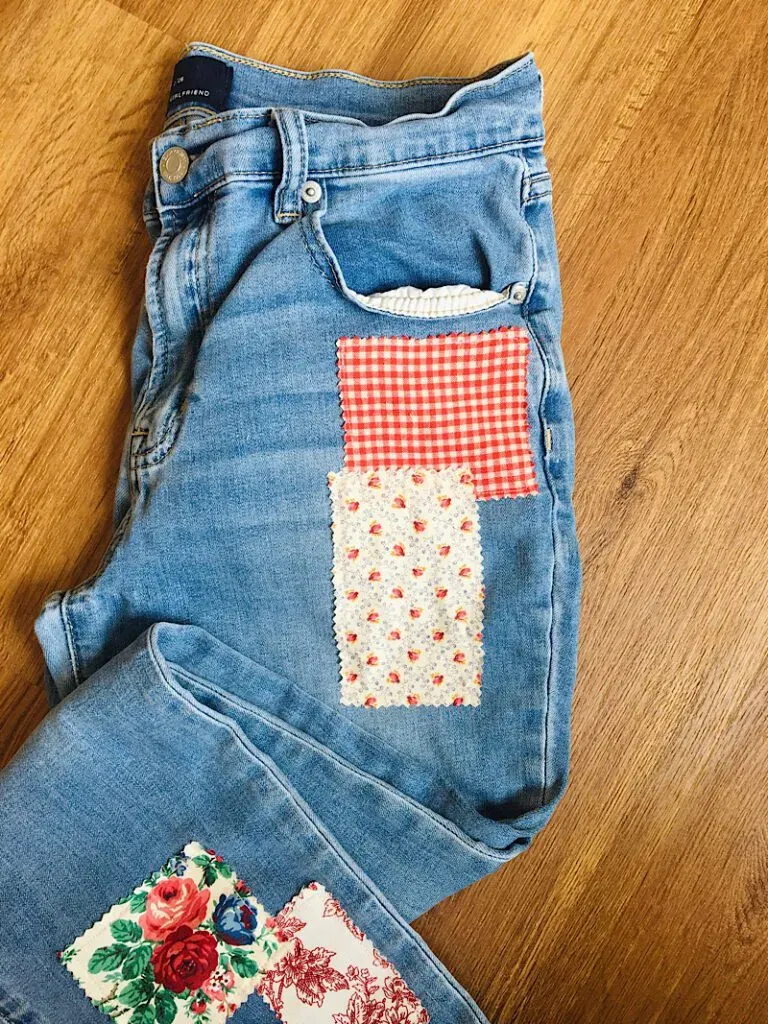
Best patches for jeans offer a smart way to extend the life of your favorite denim while letting your personality show. Whether you’re repairing wear or adding flair, patches can be durable, stylish, and easy to apply. From adhesive-backed options to secure sew-on styles, you’ll find methods that suit beginners and seasoned crafters alike. Choosing the right patch involves considering location, fabric blend, and how much wear the jeans typically endure. With the right patching plan, you can refresh worn denim, cut waste, and tailor your jeans to your style.
Beyond the obvious repair, denim patchwork opens up a world of possibilities for style and sustainability. Think of jean patch ideas as a way to fuse function with fashion, turning worn areas into intentional design elements. Using durable denim patches or fabric scraps, you can create textures that catch the eye while reinforcing high-stress zones. DIY jeans patch projects invite experimentation with placement, color, and stitching techniques, making each pair unique. This approach aligns with current trends toward upcycling and personal expression in wardrobe curation.
Durability-first: Selecting the Best patches for jeans that last
When choosing patches for jeans, durability and wash resilience top the list. Look for options labeled as machine-washable and built to endure repeated cycles without peeling or fraying. The goal is patches that blend with denim while staying firmly attached, so you can extend the life of your jeans without constant maintenance. In this context, focusing on the Best patches for jeans means prioritizing patches that combine strong adhesion or sturdy stitching with a design you’ll love for years.
Beyond raw strength, consider how the patch complements the fabric. Durable denim patches are especially suited to high-wear areas like knees and inner thighs, but they should also integrate with the jean’s color and weight. By selecting patches engineered for longevity and compatibility with denim blends, you’ll enjoy both practical protection and a look that ages well with your wardrobe.
Iron-on patches for jeans vs sew-on: which method fits your denim needs
Iron-on patches for jeans are a popular choice for quick repairs and visible accents. They install with heat and pressure, making them ideal for beginners and for creating bold, decorative looks. When selecting iron-ons, verify the backing is rated for durable washing and that the patch sits flat to prevent edge curling after washing.
Sew-on patches offer unmatched durability in areas of movement, such as knees and pockets, since they rely on stitching rather than adhesive. With a tight zig-zag or satin stitch, sew-on patches stay put through many wash cycles and rough wear. For DIY jean patch projects that prioritize longevity, sewing patches in adds a reliable, long-lasting layer of reinforcement.
Creative jean patch ideas to refresh your denim
Jean patch ideas span practical repairs to bold style statements. You can lay out a grid of small patches for a subtle, retro vibe or feature a single focal embroidery patch on a back pocket for a striking touch. Embellishments like logos, initials, or symbols can personalize jeans while staying wearable in many settings.
Mixing textures and sizes offers a dynamic look without overwhelming the garment. Consider combining fabric patches with denim patches or leather accents to create depth and contrast. A thoughtful arrangement can transform worn jeans into a unique, fashion-forward piece that still remains durable.
Materials that matter: choosing patches that hold up on durable denim patches and embroidery
Understanding patch materials helps you balance aesthetics with performance. Embroidered patches add color and texture, but dense stitching also contributes to longevity if edges are well secured. Fabric patches and denim patches mirror the jeans themselves, providing a cohesive appearance that wears uniformly with the fabric.
When selecting patches, pay attention to backing quality, thread count, and colorfast inks. A well-made patch resists fading under UV exposure and through repeated washing. Pairing durable denim patches with strong embroidery can give you a premium look that lasts, while keeping comfort and flexibility intact.
Placement, size, and coverage: planning patches for jeans
Deciding where to place patches for jeans influences both function and style. Larger patches offer bold coverage and a statement look, while smaller patches can reinforce tears with discreet patches along seams or pockets. Strategic placement near high-stress zones helps reinforce fabric without sacrificing mobility, so you can wear patched jeans confidently.
Color and design balance are important to avoid a cluttered appearance. Choose patch sizes that complement the jean’s silhouette and maintain a cohesive color scheme. Whether you opt for a few standout patches or a carefully arranged grid of small patches, thoughtful placement makes patches-for-jeans feel intentional rather than accidental.
DIY at home: step-by-step patching and care for long-lasting results
DIY jeans patch projects empower you to customize and repair on your schedule. Start by selecting either iron-on patches for jeans or sew-on patches, then prepare the fabric surface and patch alignment. Following clear steps helps ensure a clean application that lasts through many washes.
Care and maintenance are essential for longevity. Turn jeans inside out before washing, opt for gentle cycles, and air-dry when possible to protect both the patch and fabric. If patches begin to peel, reheat or re-stitch as needed, and check edge integrity regularly to keep your DIY jean patch looking fresh and durable.
Frequently Asked Questions
What should I look for when choosing the Best patches for jeans to balance durability and style?
When choosing the Best patches for jeans, prioritize durability, ease of application, and style compatibility. For patches for jeans, consider whether you want iron-on or sew-on, patch size, backing material, and color to match or contrast with denim. Look for machine-washable adhesives for iron-ons and strong stitching for sew-ons to maximize longevity through washes.
How do iron-on patches for jeans compare with sew-on patches in terms of durability and ease of use?
Iron-on patches for jeans are quick and beginner-friendly, but sew-on patches generally last longer in high-movement areas. If longevity is your goal, opt for sew-on or reinforce an iron-on with a tight top stitch around the edge. Prep the fabric properly, apply heat with the recommended temperature, and avoid aggressive washing right after setting.
What are some durable denim patches options for reinforcing knees or high-stress areas?
Durable denim patches are ideal for knees and other high-stress spots. Look for patches with reinforced edges, dense stitching, and a backing that matches the denim weight. Sew-on patches typically provide the strongest hold, while embroidered or fabric patches can add aesthetic appeal without sacrificing durability.
What is a simple DIY jeans patch project using jean patch ideas for beginners?
DIY jeans patch projects let you create unique jean patch ideas with minimal tools. Start with a small area and choose iron-on patches for jeans for quick results or sew-on patches for longer-lasting wear. Position the patch, follow the product instructions, and test washability after setting.
How should I apply patches for jeans to maximize durability and wash resistance?
To apply patches for jeans with durability in mind, choose the right patch type, ensure proper heat and pressure for iron-ons, or select a tight zig-zag stitch for sew-ons. Align edges carefully, stitch around the border, and reinforce with an inner stitch if needed. Allow the patch to set before washing.
How can I care for patches for jeans to prevent peeling or color fading over time?
Care for patches for jeans by turning denim inside out before washing, using cold water, and air-drying when possible. Inspect patches regularly and re-stitch or re-adhere as needed to prevent peeling. For color retention, choose colorfast patches and avoid prolonged sun exposure.
| Aspect | Key Points | Practical Takeaways |
|---|---|---|
| Introduction/Overview of patches for jeans. | Patches extend denim life; aim to be durable, stylish, and easy to apply. They let you repair, refresh, and personalize jeans while reducing waste and saving money. | Choose patches that balance durability, aesthetics, and ease of use; decide if you want subtle repair or a bold style statement. |
| Patch types and performance. | Iron-on (heat-activated adhesive), Sew-on (stitching), Embroidered (textured look), Fabric/denim patches (blend with jean fabric). Each has tradeoffs in durability, appearance, and ease of use. | Select based on durability, washability, and visibility; iron-ons require proper heat/pressure and a stable base; sew-ons avoid adhesives for longevity. |
| Choosing patches (where/how to apply) | Location on jeans, fabric blend, wear plan; adhesive quality and washability; patch size/placement; material compatibility; color/design; longevity and care. | Plan placement (knees/pockets/inner seam); for iron-ons, ensure machine-washable adhesive; ensure patch material works with denim and any stretch. |
| Iron-on installation steps | 1) Gather supplies 2) Prep fabric 3) Position patch 4) Protect edges with cloth/parchment 5) Apply heat and pressure per guidelines 6) Cool and test 7) Wash considerations (avoid aggressive washing for first 24 hours) | Follow patch maker’s temperature, use a barrier cloth, and allow patch to set fully before washing; wash inside-out after setting. |
| Sew-on installation steps | 1) Mark and pin 2) Stitch with tight zig-zag or satin stitch around edges (inner perimeter optional) 3) Choose strong thread 4) Finish and trim 5) Care: sew-on patches tolerate frequent washing but check stitching | Use a tight stitch with matching thread; secure edges well and recheck durability after washing. |
| Care & maintenance | Turn jeans inside out before washing; use cold gentle cycles; air-dry when possible; inspect patches regularly and re-stitch or re-adhere as needed; hand-wash heavily decorated patches if needed. | Regular care extends patch life; avoid high heat and rough agitation that can loosen edges. |
| Troubleshooting | Edges peeling after washing; patch bulky at knee; patch color fading. | Re-apply heat for iron-ons or add zig-zag stitch for sew-ons; trim bulky edges; choose colorfast patches and consider a sealant for color retention. |
| DIY inspiration & ideas | Recreate vintage looks, color-blocked effects, or patches that initials/symbols; mix patches with leather patches for contrast. | Experiment with symmetrical grids, focal embroidery, or patch banners along seams to tell a personality story. |
Summary
Best patches for jeans offer a durable, stylish solution to extend the life of your denim and customize its look. By selecting the right patch type—iron-on for fast fixes, sew-on for longevity, or embroidered for a premium touch—you can repair, refresh, and personalize jeans with confidence. Durability, aesthetics, and ease of application are the core criteria that guide the choice, while care routines like turning jeans inside out, washing on gentle cycles, and air-drying help patches last through many washes. Consider patch size, placement, and material compatibility to achieve both function and fashion, whether reinforcing knees and seams or creating a deliberate design statement. With proper application and ongoing maintenance, patches reduce waste and save money, making Best patches for jeans a practical and creative approach to denim. Explore ideas like mixed small patches for a subtle update, a single focal embroidery for a bold accent, or layering denim and leather patches for a high-contrast patchwork. Embracing Best patches for jeans means embracing a sustainable, customizable approach to wardrobe repair that keeps your favorite jeans looking fresh for longer.