
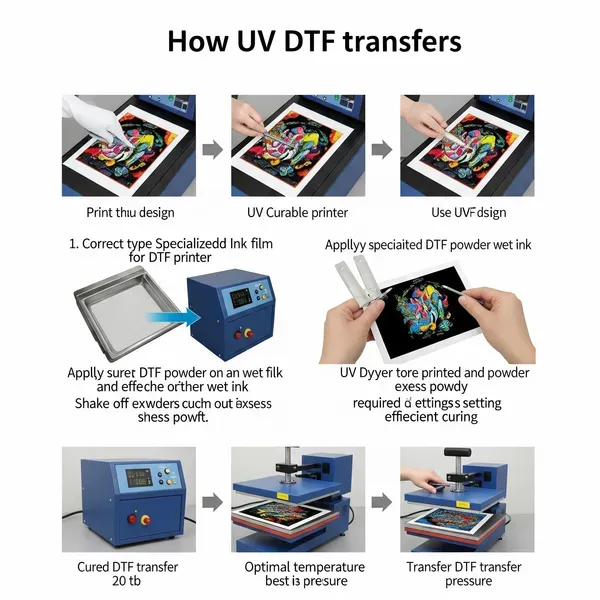
UV DTF transfer on materials represents a versatile, fast-growing option for decorating a wide range of substrates, delivering bold color and sharp detail across wood, metal, and glass. The technique blends the precision of DTF printing on wood with instant UV curing, enabling vivid imagery and crisp text on uneven surfaces and smooth panels alike. DTF transfer on metal and DTF on glass showcase how different materials respond to ink adhesion and curing, underscoring the importance of substrate compatibility. From intended signage to decorative plaques, the method supports high-visibility graphics, quick turnaround, and scalable production for a wide audience. With proper surface prep, ink selection, and a protective topcoat when needed, you can maximize durability while maintaining color fidelity across varied materials.
Understanding UV DTF transfer on materials: substrate compatibility and performance
UV DTF transfer on materials represents a versatile method that combines a digitally printed transfer film with UV-curable inks to place designs on a wide range of substrates. The UV-curing process occurs as soon as the ink is exposed to light, delivering vibrant color, sharp detail, and high image fidelity across wood, metal, glass, ceramics, and compatible plastics. Understanding substrate compatibility is essential for predicting adhesion, finish, and long-term durability before production.
Successful UV DTF transfers depend on surface preparation, primer choices when needed, and precise curing parameters. By analyzing how different surfaces accept ink and how the cured film responds to bending, weathering, and impacts, you can optimize color accuracy, scratch resistance, and overall longevity. Framing your workflow around substrate compatibility helps forecast results, reduce waste, and guide material selection for mixed-substrate projects.
DTF printing on wood: preparing the surface for optimal adhesion and color
DTF printing on wood introduces unique challenges due to its porosity and grain structure. Start with a clean, dry surface, light sanding to smooth the grain, and consider a sealant or primer to lessen absorbency. Testing ink density on a scrap piece helps calibrate color and opacity before committing to a full run.
Adhesion and color outcomes improve when you tune ink density, adjust layer thickness, and apply a protective topcoat after curing. Wood species vary in porosity, so a small pre-test is essential to maintain color accuracy and ensure durable results across project batches. Also ensure proper flatness to avoid uneven ink deposition on irregular grain.
DTF transfer on metal: achieving durability and sharpness on non-porous substrates
DTF transfer on metal benefits from clean, degreased surfaces and, when needed, adhesion-promoting primers especially on raw or coated metals. Achieving a strong ink bond is critical, as non-porous metal can resist adhesion differently than wood. Careful curing is necessary to prevent tackiness and to maximize abrasion resistance while respecting any thermal expansion differences during heating.
For outdoor or high-wear applications, a clear protective overcoat can preserve color fidelity and extend life. The right overcoat also helps resist oxidation and scratching on metal substrates, supporting long-term durability. Always verify substrate compatibility with your chosen ink system and curing parameters to maintain image sharpness over time.
DTF on glass and transparent substrates: maintaining clarity and color depth
Glass and other transparent substrates pose distinct challenges, since ink layers must cure fully to avoid dullness or color wash-out from reflections. Thorough cleaning to remove oils and dust is essential, and light sanding or micro-roughening can assist adhesion in some cases. A transparent design may benefit from calibrated opacity and strategic layering to achieve depth without compromising legibility, especially on clear glass.
To preserve clarity, many UV DTF projects on glass use an anti-scratch or gloss topcoat after curing. Layering techniques can create perceived depth while maintaining sharp details. When printing on transparent surfaces, consider the ink’s translucency, substrate color behind the print, and ensure substrate compatibility with your curing profile to avoid yellowing or blooming.
Other materials and broader substrate considerations
Beyond wood, metal, and glass, UV DTF works on ceramics, certain plastics, fabrics, and composite materials, but outcomes depend on surface chemistry and texture. In many cases, a suitable primer or surface sealant improves ink adhesion and reduces color variability. Always test on actual parts to forecast performance on your specific material, a key element of substrate compatibility.
Flexible substrates may require adjusted ink viscosity, reduced layer thickness, or bending radii considerations to prevent cracking. Rigid substrates with rough textures often benefit from pre-treatments that smooth micro-roughness. Regardless of material, comprehensive pre-testing remains the best method to forecast color stability, adhesion, and long-term durability across a mixed-material portfolio.
Practical steps to maximize UV DTF results and ensure consistency
Design and color management play a critical role in UV DTF success. Start with high-resolution artwork, validated color profiles, and designs aligned to the substrate’s texture and translucency. Selecting ink and transfer film combinations with proven substrate compatibility helps maintain consistency across runs and substrates like wood, metal, and glass.
Use calibrated print settings and curing parameters—ink density, dot size, platen temperature, and exposure time—to minimize edge halos and ensure color accuracy. After curing, apply a protective finish if the print will face abrasion or outdoor exposure, and perform simple quality checks such as bend or scratch tests on sample parts to verify durability and adhesion. Regularly maintain curing equipment and store materials away from direct sunlight to preserve color fidelity.
Frequently Asked Questions
What is UV DTF transfer on materials and how does it work on substrates like wood, metal, and glass?
UV DTF transfer on materials uses a digitally printed transfer film and UV-curable inks that cure instantly under UV light. This rapid curing yields vibrant color, sharp text, and good abrasion resistance, with results highly influenced by substrate compatibility, proper surface preparation, and accurate curing parameters.
How does UV DTF transfer on materials differ when using DTF printing on wood versus DTF transfer on metal?
DTF printing on wood must account for porosity, which can cause ink absorption and grain bleed, so surface prep and sometimes sealing are important. DTF transfer on metal benefits from a smooth, non-porous surface with cleaning and adhesion-promoting primers, and may require a protective overcoat after curing to maximize durability.
Why is substrate compatibility important for UV DTF transfer on materials when comparing DTF on glass to other substrates?
Substrate compatibility dictates how ink adheres, cures, and how the final coating behaves. For glass (DTF on glass), precise cleaning and suitable topcoats help maintain clarity and prevent dulling, while other substrates may require different primers, ink densities, or sealants to achieve stable color and adhesion.
What surface prep steps maximize adhesion for UV DTF transfer on materials?
Prepare by cleaning and drying surfaces, removing oils and dust, lightly sanding porous textures, and applying primers or sealants as needed. Always test ink density and curing on scrap samples to forecast adhesion and color performance.
How can you ensure color accuracy and durability in UV DTF transfer on materials?
Use high-resolution artwork with appropriate color profiles, calibrate ink density and dot size for each substrate, and perform test prints before production. Ensure proper curing times and consider a protective topcoat to lock in color and improve durability.
What finishing options help protect UV DTF transfer on materials for outdoor use or high-wear environments?
Choose a protective topcoat suitable for outdoor exposure, use UV-stable inks, and store or display finished pieces away from direct sunlight when possible. A durable finish combined with proper curing enhances color fidelity and longevity on varied substrates.
| Topic | Key Points |
|---|---|
| What is UV DTF transfer on materials? | Uses digitally printed transfer film and UV-curable inks; inks cure instantly under UV light; enables vivid color, sharp text, and complex graphics; success depends on surface ink acceptance, adhesion, and how the final coating responds to curing. |
| Why substrate compatibility matters | Different materials (wood, metal, glass, plastic, fabric) pose distinct adhesion challenges; surface prep, primers or pre-treatments, and curing times influence adhesion and durability; optimizing these variables yields consistent color and long-lasting prints. |
| Wood: preparation, adhesion, and color outcomes | Wood is porous and can absorb ink unevenly; best practices: clean/dry surface, sand smooth, apply light sealant or primer to reduce absorbency, test ink density on scrap; tune print settings to avoid bleed into the grain; apply a protective topcoat after curing for scratch resistance; pre-test essential for color accuracy. |
| Metal: adhesion, curing, and durability | Metal is smooth and non-porous; prep includes cleaning, degreasing, and possibly adhesion-promoting primer; aim for a strong ink-film bond while accommodating thermal expansion during curing; ensure complete cure to avoid tackiness; consider a clear protective overcoat for outdoor/high-wear durability. |
| Glass and other transparent substrates | Ink layers may appear dull if not fully cured; surface prep minimal but thorough cleaning; anti-scratch or gloss topcoat helps clarity; on transparent surfaces, adjust opacity and layering to achieve depth while maintaining legibility. |
| Other materials and broader substrate considerations | UV DTF works on ceramics, certain plastics, fabrics, and composites, with results depending on material chemistry and surface texture; flexible substrates may require ink viscosity or layer thickness adjustments; rigid substrates with rough textures benefit from primer or sealant; pre-testing on actual samples remains best. |
| Practical steps to optimize results | Design and color management: start with high-resolution artwork and color profiles; surface prep and conditioning: clean and adapt pre-treatments for each material; ink and film selection: use inks and transfer films tested for specific materials; print settings and calibration: calibrate printer parameters for substrate type; curing and finishing: apply UV curing with appropriate exposure times; quality checks: inspect color consistency and adhesion; perform simple bend or scratch tests. |
| Comparing UV DTF with other decorating methods | Often higher color vibrancy and sharper details on a wider range of substrates than sublimation or screen printing; good for short runs and full-color imagery without heavy setup costs; results on fabrics depend on ink system and fabric; weigh durability, flexibility, and substrate compatibility when choosing between UV DTF and alternatives. |
| Safety, environment, and maintenance | UV-curable inks cure quickly, reducing solvent exposure; operate in well-ventilated areas and follow manufacturer guidelines; regularly inspect curing equipment; maintain clean work surfaces; store materials away from direct sunlight to prevent color fade on porous substrates. |
Summary
UV DTF transfer on materials offers a powerful path to durable, vibrant prints across wood, metal, glass, and beyond. By prioritizing substrate compatibility, surface preparation, and precise curing, you can achieve high-quality results across a diverse range of substrates. With the right workflow, designers and makers can expand their product offerings—from decorative plaques and signage to customized merchandise—while maintaining consistent color, sharp detail, and reliable adhesion.