
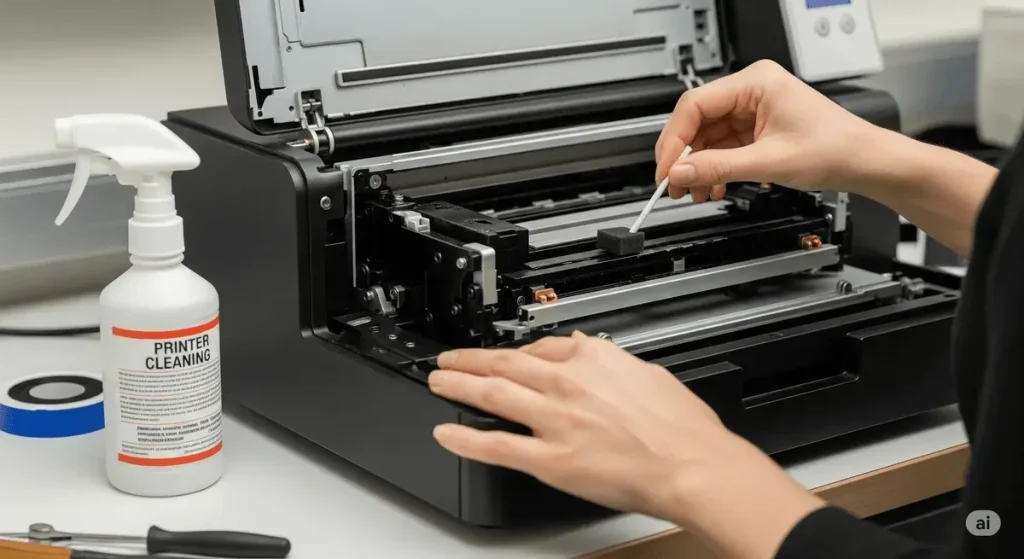
DTF supplies maintenance is essential for consistent, high-quality transfers and a longer life for your equipment. This guide connects practical steps you can take with the right routines, emphasizing cleaning DTF equipment and extending DTF ink life. By following DTF maintenance tips, you can reduce downtime, avoid waste, and guard the integrity of your materials. A simple routine supports DTF printer care and keeps colors sharp, helping your workflows stay smooth. From organized DTF storage solutions to predictable maintenance checks, this overview aligns daily practice with long-term results.
A holistic view of direct-to-film workflow emphasizes the upkeep of inks, powders, transfer films, and the printers themselves. Regular preventive care, precise cleaning routines, and careful handling act as the foundation for reliable color, minimal downtime, and waste reduction. Optimizing storage conditions and tracking materials’ expiry and batch information are core components of sustainable DTF operations. Think of printer health, printhead maintenance, and material compatibility as a connected ecosystem rather than isolated tasks.
DTF supplies maintenance: Foundations for Consistent Transfers
Effective DTF supplies maintenance begins with recognizing how inks, powders, films, and printers work together. Following DTF maintenance tips helps prevent issues such as banding, color shifts, and clogs, ensuring transfers stay sharp and consistent across runs.
Establish a predictable cadence—quick daily checks, deeper weekly cleanings, and periodic calibrations with your service provider if available. This disciplined routine not only improves print quality but also protects your investment and reduces unexpected downtime, reinforcing a strong DTF printer care practice.
Cleaning DTF Equipment for Peak Performance
Cleaning DTF equipment goes beyond wiping the exterior. It protects the internal chemical environment of the print head, ink lines, and powder paths, helping maintain reliable color reproduction and consistency.
Follow model-specific procedures: power down and unplug, remove cartridges as directed, clean exterior surfaces, run any maintenance cycles, and avoid forcing solvents into the head. Track nozzle checks and print quality to ensure you meet the demands of steady, repeatable results.
DTF Storage Solutions to Prolong Ink and Film Quality
DTF storage solutions are essential to preserving inks, powders, and transfer films. Temperature, humidity, and light exposure can degrade materials quickly, so store components in controlled conditions.
Use labeled containers and FIFO inventory, seal inks upright, keep powders dry with desiccants, and store films flat in dust-free cabinets. Regularly inspect storage areas for dampness or pests and adjust conditions to maximize shelf life.
Extending DTF Ink Life through Preventive Practices
Extending DTF ink life starts with preventing exposure to heat, light, and moisture, and with careful handling to avoid cross-contamination.
Maintain a log of batch numbers and expiration dates, use dedicated tools for each material, and rotate stock using FIFO to minimize waste and ensure consistency across runs.
DTF Printer Care: Safeguarding Your Core Investment
DTF Printer care is the backbone of long-term reliability. Create a dedicated workspace with steady temperature, controlled dust, and minimal drafts to shield components from environmental stress.
Include regular preventative maintenance with a service provider when possible, and coordinate cleaning DTF equipment and calibration checks with your schedule to prevent performance drift.
Practical Routines: Daily and Weekly Checklists for Longevity
Practical routines bring cohesion to your DTF workflow. A simple daily and weekly checklist keeps materials in top condition and reinforces a culture of quality.
By aligning cleaning DTF equipment, storage discipline, and longevity-minded habits, you minimize waste and downtime and ensure transfer consistency from batch to batch.
Frequently Asked Questions
What are essential DTF maintenance tips for keeping your supplies performing at their best?
Adopt a regular routine for cleaning DTF equipment, monitor nozzle health, and practice smart storage for inks, powders, and transfer films. Following these DTF maintenance tips reduces clogs, color shifts, and downtime while extending the life of printers and consumables.
How do I implement cleaning DTF equipment into my workflow without interrupting production?
Begin by powering down, unplugging, and inspecting the unit. Clean exterior surfaces and accessible components with a lint-free cloth and manufacturer-approved cleaners, then run any built-in cleaning cycles. After cleaning, reinsert consumables and perform a test print to verify nozzle health and color consistency.
What are the best DTF storage solutions to protect inks, powders, and films?
Store inks upright in a cool, dry place and seal bottles when not in use. Use humidity-controlled containers for powders and keep transfer films clean and dust-free. Implement a first-in, first-out (FIFO) system and routinely inspect storage areas for dampness, mold, or pests to protect your inventory.
How can I extend DTF ink life through proper handling and maintenance practices (extending DTF ink life)?
Extend DTF ink life by keeping inks sealed, labeling purchase and expiration dates, and avoiding exposure to heat or direct sunlight. Maintain separation of inks from powders and films, follow manufacturer-recommended cleaners, and monitor batch information to prevent cross-contamination and degradation.
Why is DTF printer care essential for reliable DTF supplies maintenance?
DTF printer care helps protect critical components like the print head and rollers, reducing clogs, wear, and downtime. Regular care—cleaning DTF equipment, checking nozzle health, and calibrating as recommended—supports consistent color and longevity of both the printer and its consumables.
What quick daily and weekly checks support DTF supplies maintenance for a smooth workflow?
Daily, inspect the print area for dust and film residue, ensure lids on ink and powder containers are closed, and perform a quick nozzle check if you notice subtle print changes. Weekly, perform a thorough cleaning of the exterior and rollers, inspect powder bags and shakers, check transfer films for scratches or color shifts, and verify that storage conditions remain stable.
| Topic | Key Points |
|---|---|
| Introduction | DTF printing relies on inks, powders, transfer films, and printers; proper maintenance prevents banding, color shifts, clogging, or premature wear; a disciplined approach combines cleaning, storage, and longevity to sustain peak performance. |
| Why maintenance matters | The quality of a DTF transfer starts with the inks, powder, and films. Clean equipment supports consistent color reproduction, reduces downtime, and minimizes waste. |
| Cleaning DTF Equipment: Practical Routine | 1) Power down and inspect; 2) Clean exterior and accessible components; 3) Tackle the print head and nozzle area with care; 4) Powder application and transfer film hygiene; 5) Reassembly and test. |
| Powder & Film Hygiene | Inspect powder zone for buildup, wipe away stray powder, check hopper and mesh screens; store transfer films flat in clean racks to avoid contaminants transferring to prints. |
| Storage Solutions for DTF Supplies | Store inks upright in sealed containers, in a cool, dry place away from direct sunlight (60-75°F / 15-24°C; 40-60% RH); label with purchase and expiration dates for FIFO; keep powders in moisture-controlled containers; store films clean and flat. |
| Extending Longevity | Establish a consistent maintenance schedule; use quality cleaners; prevent cross-contamination; track expiry and batch info; optimize environmental controls to protect printer parts. |
| Common Mistakes to Avoid | Skipping routine cleaning; storing materials under fluctuating temperatures or humidity; using unverified cleaners; neglecting inventory control; missing a documented maintenance schedule. |
| Daily and Weekly Checklist | Daily: Inspect print area, close lids, quick nozzle check; Weekly: Thorough exterior cleaning, inspect powders/films, check storage conditions and FIFO practices. |
Summary
DTF supplies maintenance is a proactive approach to keeping your printing workflow smooth and cost-efficient. A robust DTF supplies maintenance routine combines thorough cleaning, smart storage, and longevity-focused practices that protect both the printer and consumables, delivering consistent color, fewer interruptions, and extended equipment life. By adhering to practical tips and maintaining organized inventory, you maximize uptime, manage costs, and ensure future transfers meet or exceed quality standards. DTF supplies maintenance, practiced consistently, supports a productive studio or workshop and helps preserve the value of materials for the long term.