
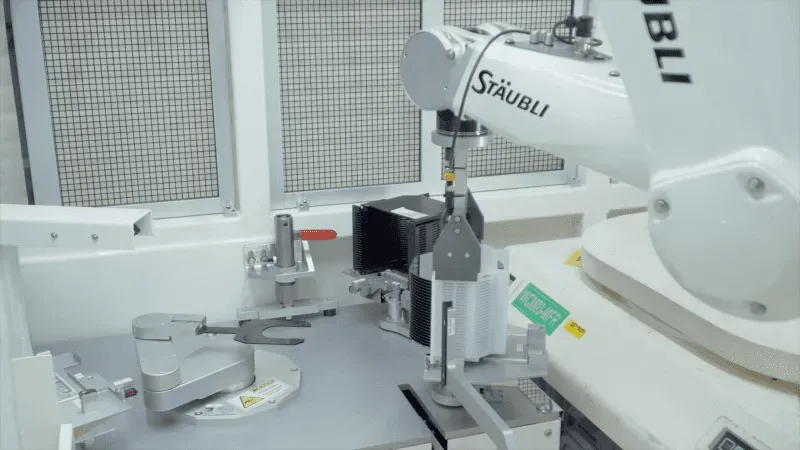
POD quality control is the cornerstone of reliable, scalable ecommerce fulfillment, shaping how customers experience your brand from the first impression to final delivery. By implementing standardized checks and process controls, merchants can minimize defects and protect margins by catching issues before products ship. A structured approach to quality management aligns product standards with customer expectations and reduces returns, boosting trust across channels. Tracking POD quality metrics across production, proofs, and post-delivery feedback gives teams data-driven insight into where to tighten standards. Ultimately, integrating these checks into a scalable framework makes quality control a strategic lever for growth, not just a checkpoint.
Establishing a Clear POD Quality Control Framework for Consistent Outcomes
A robust POD quality control framework begins with clearly defined standards that translate into actionable checklists for every role involved in the production pipeline. By outlining what constitutes an acceptable print result for each product type, merchants create a shared blueprint that guides prepress, printing, and fulfillment. This end-to-end approach is essential for consistent customer experiences and minimizes guesswork that can lead to defects and returns. In practice, these standards become the backbone of a scalable QA program that sits at the center of print on demand quality control.
Documentation matters as much as hands-on checks. A dedicated quality standards document should cover color accuracy, alignment, seam or stitch quality, material tolerances, print placement, and packaging integrity. Coupled with standard operating procedures (SOPs) for each stage—file preparation, proofing, prepress, print, post-processing, and fulfillment—this framework ensures accountability, reduces ambiguity, and speeds issue resolution. Clear roles and ownership help maintain momentum, reduce drift, and protect brand trust across every order.
Pre-Production Excellence: Prepress, Proofing, and Color Management in POD Quality Control
Pre-production is where many quality problems originate or are prevented. Effective preflight checks ensure artwork files meet printer specifications, including correct color profiles (ICC), safe margins, bleed, and sufficient resolution. Automated preflight can flag missing fonts, low-resolution imagery, and out-of-bounds placements before any asset moves to production, saving time and reducing costly reprints. This is the practical heart of print on demand quality control and a direct lever on POD order accuracy.
Proofing, both digital and physical, serves as the most tangible bridge between design intent and final output. Digital proofs offer quick validation, but physical proofs provide real-world accuracy that digital previews cannot fully replicate. Establishing a formal proofing process—especially for new designs or product lines—helps ensure color fidelity, print alignment, and material behavior before mass production, reinforcing the link between design expectations and actual results.
In-Line Production QC: Real-Time Checks That Improve POD Quality Metrics
Inline production quality checks create a live feedback loop on the production floor. Regular calibration of printers, standardized color targets, and electronic color management workflows help minimize color drift and ensure consistent output across runs. By embedding QA at defined intervals—such as every N units or every batch—operators can verify color texture, print sharpness, seam integrity, and fabric consistency in real time, reducing the risk of defective units leaving the facility.
Automated tools play a crucial role when available. Vision inspection and other auto-detection technologies can catch misregistration, misprints, or misaligned seams early, reducing reliance on manual checks alone. Establishing objective acceptance criteria and thresholds supports faster decision-making, minimizes rework, and strengthens the reliability of POD order accuracy across the production line.
Post-Production and Customer Feedback: Linking Packaging, Returns Reduction Strategies and Quality Assurance in POD
Post-production checks extend quality control beyond the factory floor to packaging, labeling, and fulfillment accuracy. Thorough packaging and labeling audits prevent damage in transit and misdelivery, both common sources of dissatisfaction. Integrating a returns analysis routine that links issues back to specific products, designs, or print runs helps quantify root causes and targets improvements—an embodiment of POD quality metrics in action.
Building a strong customer feedback loop closes the quality circle. Encouraging customers to report issues via simple forms and feeding that data into a centralized QA dashboard enables rapid learning and corrective action. This approach supports continuous improvement and demonstrates a commitment to quality that resonates with customers long after their purchase.
Data-Driven Quality Metrics: Building a POD Quality Metrics Dashboard
A data-driven approach turns quality into measurable business value. Track key indicators such as defect rate per 1,000 units, first-pass yield, returns rate, and time-to-resolution for quality issues. A well-designed POD quality metrics dashboard provides visibility across product lines, suppliers, and design templates, making it easier to identify trends and drive targeted improvements. This transparency directly supports improved POD order accuracy and more predictable fulfillment performance.
Data sources matter as much as the metrics themselves. Centralize QA logs, production data, supplier performance, and returns data to create a coherent picture of quality across the entire chain. By correlating returns with specific batches, colors, or designs, teams can renegotiate supplier terms, adjust production parameters, and implement data-driven changes that reliably boost overall quality.
Sustainable Practices and Continuous Improvement: The Long-Term Payoff of POD Quality Control
Sustainable quality control requires setting measurable goals and embedding QA into daily work. Define targets for defect reduction, order accuracy, and a quantifiable uplift in customer satisfaction. A robust POD quality control program is not a one-off project but a continuous discipline that scales with growth, supported by automation where possible to handle routine checks and records.
Cultivating a culture of continuous improvement ensures QA remains dynamic. Encourage teams to propose fixes for recurring issues, run small experiments, and measure impact. Regular training, clear documentation, and recognition of teams delivering high-quality results reinforce a long-term mindset that strengthens quality assurance in POD and sustains improvements in POD quality metrics.
Frequently Asked Questions
What is POD quality control and why is it essential for POD order accuracy?
POD quality control is an end-to-end framework of standards, checks, and processes that ensure every product meets predefined criteria before shipment. It reduces defects and returns, directly improving POD order accuracy and customer trust.
How can I implement print on demand quality control across pre-production, production, and post-production to protect quality?
Create SOPs, standards documents, and checklists for pre-production (prepress proofs), inline production (color management and seam quality), and post-production (packaging and feedback). This structured approach embodies quality assurance in POD.
What are effective POD returns reduction strategies that leverage quality control?
Adopt a tiered QA approach (preflight, in-plant, final inspection), enforce color management, require proofs for new designs, ensure accurate product descriptions, and strengthen packaging. These POD returns reduction strategies target root causes of returns.
How do I measure POD quality metrics to drive continuous improvement?
Track defect rate per 1,000 units, first-pass yield, returns rate, and time-to-resolution. Use a quality metrics dashboard to spot trends and drive data-driven improvements in color, placement, and process controls.
How can I ensure quality assurance in POD to maintain consistent color and alignment?
Invest in calibration, ICC color profiles, standardized lighting, and inline QA checks for color and alignment. Map a quality assurance in POD workflow with clear acceptance criteria at each stage and periodic audits.
What role do proofs, color management, and testing play in improving POD order accuracy and reducing defects?
Provide high-quality mockups and physical proofs for new designs, apply strict color management, and run tests before mass production. This improves POD order accuracy by aligning customer expectations with final prints and reduces defects.
| Section | Key Points |
|---|---|
| Introduction to POD quality control | Quality control is a core capability influencing customer experience and brand reputation. For POD merchants, it’s the difference between satisfied customers and high-return scenarios. Treated as strategic function; build predictable outcomes from design validation to fulfillment. |
| What is POD quality control, and why does it matter? | End-to-end framework including file prep, print performance, material quality, production consistency, packaging, and post-purchase feedback loops. Agile QC to balance speed and rigor. Benefits: fewer defects, fewer returns, higher satisfaction, better loyalty. |
| The role of related keywords | Anchor content around keywords reflecting search intent: ‘print on demand quality control’, ‘POD returns reduction strategies’, ‘Quality assurance in POD’, ‘POD order accuracy’, ‘POD quality metrics’ for discoverability and data-driven improvement. |
| Section 1: Building a robust POD quality control framework | Define acceptable print standards; translate into checklists; Documentation; SOPs; Visual and functional checks; Roles and accountability. |
| Section 2: The three pillars of effective POD quality control | Pre-production: specs, preflight, proofs. In-line: calibrate printers, color targets, inline QA, auto-detection. Post-production: packaging checks, returns analytics, customer feedback loop. |
| Section 3: Reducing returns strategies | Clear product descriptions; stage-gated QA; color management; proofing/samples; packaging; data-driven decisions. |
| Section 4: Implementing a sustainable POD quality control program | Measurable goals; QA workflow; quality metrics dashboard; automation where possible; continuous improvement culture. |
| Section 5: Tools and best practices for better POD quality metrics | Color tools; tolerances and specs; mockups and proofs; data-driven QA; training and onboarding. |
| Section 6: Real-world example of reducing returns | Tiered QA, standardized color profiles, physical proofs for new designs; monthly returns analysis; double-digit reduction in returns in six months. |
| Section 7: Common pitfalls and how to avoid them | Over-reliance on digital previews; inconsistent equipment calibration; fragmented data; slow response to defects. |
| Section 8: The long-term payoff of investing in POD quality control | Reduces returns, improves order accuracy, boosts brand perception, higher lifetime value, positive word-of-mouth, scalable operations. |
Summary
POD quality control is the backbone of a reliable print-on-demand operation, shaping customer satisfaction, reducing returns, and strengthening brand trust. By treating quality control as a strategic, end-to-end discipline—covering prepress, production, packaging, and post-purchase feedback—merchants can achieve measurable improvements in order accuracy, defect reduction, and long-term loyalty. A mature POD quality control program uses clear standards, data-driven metrics, and continuous improvement culture to drive sustainable growth across product lines and channels.