
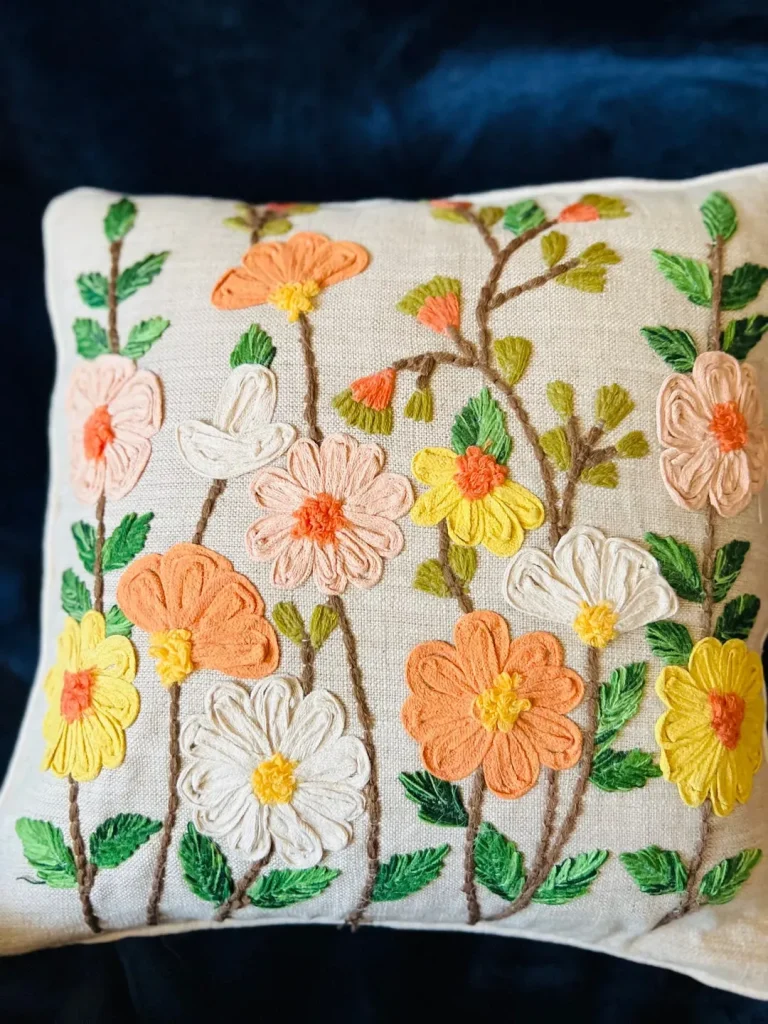
Embroidered home decor transforms a room with texture, warmth, and personality, inviting handmade craft into everyday living. Pairing embroidered cushions with a solid backdrop can instantly elevate a sofa, adding color and tactile interest without overwhelming the space. When selecting textiles, consider stitch type, thread finish, and scale to ensure the embroidery complements your furniture, lighting, and color palette. Whether your style leans minimalist, cozy traditional, or eclectic, embroidered details can serve as a focal point or a quiet texture that ties a room together. This introductory guide highlights practical ways to choose, place, and care for embroidered pieces to keep your space inviting and cohesive.
Think of this trend as textile artistry applied to interiors, where sewn motifs and surface stitching bring tactile drama to everyday spaces. Consider terms like hand-stitched accents, decorative stitching on cushions, and small textile panels that mirror nature, geometry, or abstract forms. From living rooms to bedrooms, these fabric embellishments work with lighting, color, and texture to create a layered, cohesive feel.
1. Embroidered Home Decor: Infusing Texture and Personality
Embroidered home decor goes beyond surface aesthetics, bringing tactile depth and a sense of craftsmanlike care to any room. When you choose embroidery home decor ideas, you’re not just decorating; you’re telling a story through stitch, thread, and texture that resonates with everyday life.
This approach works especially well with a mix of cushions, wall art, and other accents. Incorporating embroidered textiles for living room settings can bridge modern furniture with handmade warmth, creating layers of color and pattern that feel curated rather than mass-produced.
2. The Tactile Spotlight: Embroidered Cushions as Living Room Anchors
Cushions offer a quick, effective way to test-drive embroidered home decor ideas. Embroidered cushions introduce texture and dimension to sofas, chairs, or beds, inviting touch and conversation while reinforcing a room’s color story.
Choose motifs and scales that complement rather than overwhelm. Large embroidered cushions can serve as statement pieces, while smaller, repeated motifs pull the rest of the textiles—throws, rugs, and curtains—into a cohesive, well-balanced look.
3. A Personal Gallery: Embroidered Wall Art for Focal Points
Embroidered wall art transforms fabric into a visual centerpiece, turning walls into a gallery that reflects personality and culture. From framed hoop pieces to large textile panels, the embroidery adds a tactile richness that flat prints can’t match.
When selecting embroidered wall art, consider framing that enhances the piece without overpowering it. A clean mat and slim frame spotlight the stitches, while lighting—soft wall sconces or a picture light—accentuates texture and color.
4. Hand-Embroidered Accents: Small Details with Big Style
Hand-embroidered accents bring individuality to a room with deliberate craftsmanship. These details—whether on throws, table runners, or lamp shades—can unify a space by echoing motifs or color palettes found in cushions and wall art.
Because hand-embroidered pieces carry a handcrafted aura, balance them with plainer textiles to avoid visual overload. A carefully chosen hand-embroidered accent can become the room’squiet narrator, tying different textures together without shouting.
5. Embroidery Home Decor Ideas for Small Spaces
Small spaces benefit from strategic embroidery ideas that maximize impact without clutter. Embroidery home decor ideas can include a single embroidered cushion group, a compact wall panel, or a mini hoop art arrangement that adds personality without overwhelming the room.
In tight layouts, focus on one key piece and coordinate it with the surrounding textiles—neutral walls, soft lighting, and simple furniture—to let the embroidery shine. Even modest projects, like a small embroidered textiles for living room panel, can transform a corner into a curated moment.
6. Caring for Longevity: Care, Maintenance, and Preservation of Embroidered Textiles
Longevity in embroidered textiles for living room spaces comes from thoughtful care. Gentle washing, careful drying, and appropriate storage help preserve color and stitch integrity, ensuring that embroidered cushions and wall art endure year after year.
Plan maintenance around the specific fabrics and threads used—mercerized cotton, silk, or rayon—so you can keep textures vibrant. Proper handling, away from direct sunlight and moisture, helps retain the original look of your embroidery home decor over time.
Frequently Asked Questions
How can embroidered cushions enhance embroidered home decor ideas for a living room?
Embroidered cushions are an accessible entry point for embroidered home decor ideas. Choose cushions that echo or contrast your furniture color, vary stitch textures for depth, and mix one statement piece with plainer options to avoid visual overload.
What should I consider when selecting embroidered wall art to complement my existing decor?
Embroidered wall art can act as a focal point in your space. Consider size, framing, and lighting, then choose motifs that echo colors or textures in other textiles. This helps align with broader embroidery home decor ideas and create a cohesive look.
Are hand-embroidered accents durable for daily use in a modern home?
Yes, with the right fabric and care. Hand-embroidered accents on durable fabrics like linen or cotton blends can withstand daily use. Follow gentle washing, avoid harsh sunlight, and store pieces properly to maintain stitches as part of your embroidery home decor ideas.
What color and pattern strategies work best with embroidery home decor ideas?
Define a unifying color direction before purchasing. Use a single accent color across cushions and wall art, mix texture and scale for visual interest, and pair embroidery with solid textiles to keep the space balanced and aligned with embroidery home decor ideas.
Which fabrics pair well with embroidered textiles for living room to maintain balance?
Linen, cotton, and velvet blends work well with embroidered textiles for living room. These fabrics provide a crisp surface for stitching and allow embroidery to stand out without competing with busy upholstery.
How should I care for embroidered home decor pieces to keep them looking fresh?
Treat embroidered home decor with gentle care: hand or delicate-machine washing when appropriate, air dry, and iron on the reverse side with low heat. Store away from direct sunlight and rotate pieces to preserve color and stitch integrity.
| Topic | Key Points |
|---|---|
| Core Idea | Embroidered home decor infuses personality, warmth, and texture into living spaces; it complements existing furniture, color palettes, and lighting and suits various styles—from modern to traditional to bohemian. |
| Cushions | – Stitch and texture: satin stitches create glossy lines; surface embroidery adds dimensional texture. – Color pairing: contrast neutrals or harmonize with the palette. – Scale & pattern: large motifs as statement pieces; smaller motifs tie pieces together. – Fabrics: linen, cotton twill, velvet work well. – Entry point: ready-made covers or beginner-friendly kits. |
| Wall Art | – Framing/presentation: clean mat and slim frame highlight the embroidery. – Motif selection: botanical, geometric, or script motifs anchor a room. – Size matters: start modestly, scale up as space allows. – Lighting: soft directional light enhances texture. – Storytelling: pieces can reflect culture, nature, or personal meaning. |
| Other Accents | – Throws/blankets: anchor seating and drape nicely. – Table runners/placemats: cohesive dining narrative. – Lampshades: embroidered trim or panels tie lighting to the theme. – Bedroom decor: shams or textile panels for a calm, cohesive look. – Balance: pair embroidered items with plainer textiles to avoid busyness. |
| Choosing the Right Embroidery | – Style alignment: traditional motifs suit classic spaces; geometric/new motifs suit modern looks; nature motifs fit eclectic/bohemian. – Color strategy: define a direction and unify pieces with a shared color or pattern. – Material compatibility: match embroidery to the room’s fabrics and patterns. – Care considerations: some threads require gentle handling; plan for maintenance. |
| Care & Longevity | – Washing: gentle hand wash or delicate machine cycle inside out. – Drying: air dry; reshape embroidery while damp. – Ironing: reverse side, low heat with a pressing cloth. – Storage: cool, dry, away from direct sun; consider acid-free tissue. |
| DIY & Creative Tips | – Start small: choose simple motifs on forgiving fabrics. – Learn basic stitches: backstitch, satin stitch, French knots. – Plan color palette: 2–4 hues that echo the room. – Design transfer: tracing paper or water-soluble pens; use an embroidery hoop. – Upcycling: refresh old textiles with new motifs or borders. |
| Shopping & Sourcing | – Quality fabrics: linen/cotton for crisp surfaces; velvet/wool for warmth. – Thread quality: mercerized cotton, silk, or high-quality rayon. – Iconic motifs: botanical, geometric, abstract; consider commissions for custom pieces. |
| Putting It All Together | – Create a balanced room where cushions, wall art, and other accents share a common color story or motif. – Start with a neutral base and layer color through embroidered pieces. – Include some non-embroidered textiles for visual rest points. – Ensure warm lighting to highlight texture without glare. |
Summary
This HTML table summarizes the key ideas from the base content about embroidered home decor, focusing on cushions, wall art, and other embroidered accents, along with care, sourcing, and design considerations.