
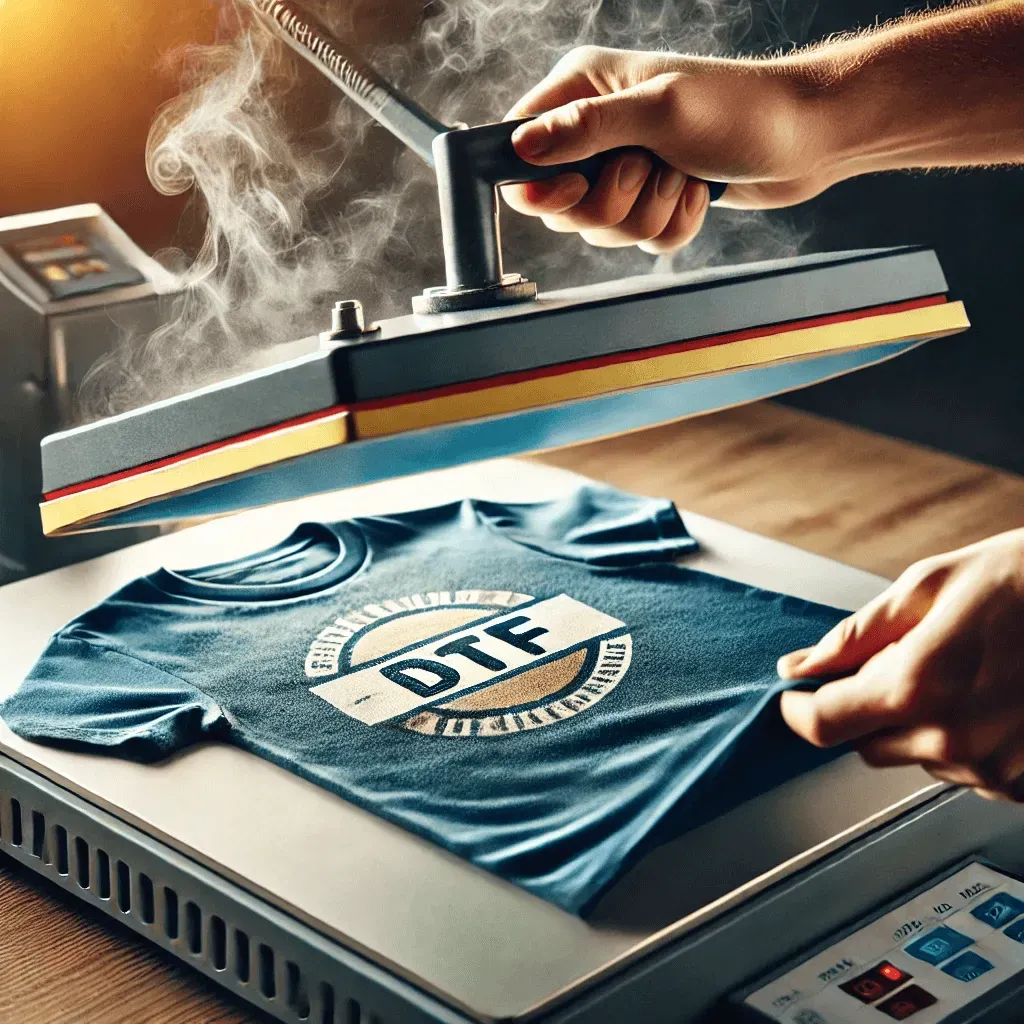
DTF transfers have reshaped garment customization by enabling vibrant, full-color designs on a wide range of fabrics. If you’re evaluating print methods for apparel, you’ll likely encounter terms like DTF supplies, direct-to-film transfer, and discussions about the DTF pros and cons. This guide compares DTF transfers to other transfer methods, explains the best uses of DTF, and shows why many shops are choosing this approach for short runs and custom orders. Understanding the workflow from design to heat pressing helps you estimate setup costs and production timelines. By the end, you’ll have a clear sense of whether DTF transfers are the right fit for your business or hobby project.
For a broader perspective, view this as a film-based textile transfer system, where artwork is printed on a specialty sheet and then fused to fabric with heat and pressure. Known in industry circles as film-printing for apparel or as a direct-to-film technique, this method leverages a white underbase and a clear adhesive layer to produce vivid images on dark and light fabrics alike. Compared with other transfer methods, the workflow offers flexibility, quicker setup for small runs, and strong color fidelity across a range of materials. When evaluating options, consider how this technology aligns with your product mix, production capacity, and your customers’ care expectations.
Understanding DTF Transfers: Process, Materials, and DTF Supplies
DTF transfers describe a digital-to-fabric workflow where designs are first printed onto a PET film using dedicated inks, typically CMYK with a white underbase, then cured and coated with an adhesive powder. This film is later heat-pressed onto textiles, allowing the ink to bond with the fabric through a hot-melt adhesive layer. The result is a versatile method that delivers full-color designs on a wide range of fabrics, including darker textiles, and distinguishes itself from traditional screen printing or sublimation thanks to its film-based transfer process and flexible substrate compatibility.
To achieve reliable results, you need quality DTF supplies that support your workflow—from the film carrier to the curing and pressing stages. Core components include DTF film, white and color inks, adhesive powder, curing equipment, and a dependable heat press. Careful attention to these supplies, along with proper post-press cooling and handling, helps maximize color fidelity, durability, and the overall feel of the finished garment.
DTF Pros and Cons: What to Consider Before Adopting
DTF transfers bring several compelling advantages, including vibrant, full-color imagery made possible by the white underbase, broad fabric compatibility, and reduced setup for small runs. For intricate artwork, gradients, and detailed logos, the digital printing process behind DTF transfers maintains fine detail and smooth color transitions, while the resulting finish can be softer than some other methods.
However, there are trade-offs to weigh. The upfront cost of printers, curing equipment, and DTF supplies can be substantial, and white ink systems along with film handling require ongoing maintenance. A learning curve exists to achieve consistent results across various fabrics, and improper pressure or temperature control can lead to edge lift or delamination if not managed carefully.
DTF vs Other Transfer Methods: DTF transfers Compared on Substrates, Feel, and Longevity
When you compare DTF transfers to other methods, substrate versatility is a major advantage. Sublimation performs best on polyester and struggles with cotton or dark fabrics, whereas DTF delivers color-rich results on a wider range of textiles, including dark materials. Texture and hand-feel also differ: DTF often yields a softer finish compared with vinyl or some heat-applied options, depending on the adhesive and curing approach used.
Production efficiency can tilt toward DTF for mid-size runs with complex artwork, since it avoids creating screens for every color. Properly cured DTF prints can withstand multiple washes with appropriate care, though care instructions remain essential to maximize longevity. These contrasts help explain why many shops evaluate DTF vs other transfer methods to determine the best fit for their product lineup.
Best Uses of DTF: Ideal Applications for Your Garment Line
DTF transfers shine in scenarios that demand color fidelity, detail, and flexible production. Custom apparel shops benefit from short runs and intricate, full-color designs without the long lead times associated with traditional screen printing. The ability to print full-color artwork on a variety of fabrics expands your offering to customers who want complex graphics on dark or blended fabrics.
They also excel for multi-color artwork, photos, gradients, and detailed logos that translate well through the digital printing process used in DTF. Small-batch promotions and event merchandise can be produced quickly—often with less setup compared to screen printing—while offering a product line that can be easily diversified by substrate and design.
Selecting the Right DTF Supplies and Settings for Consistent Results
Choosing high-quality DTF supplies is essential to optimize outcomes. Start with durable film, reliable white and color inks, and a well-calibrated heat press. Testing different temperatures, dwell times, and pressures on representative fabrics helps you understand how your gear interacts with your designs and allows you to reproduce successful settings across sessions.
Documenting test results and maintaining a log of settings for each fabric and design can reduce trial-and-error and improve repeatability. Common pitfalls include under- or over-curing the film, which affects color brightness and wash durability, as well as uneven adhesive powder distribution that can cause cracking or peeling after washing. Regular maintenance of printers, film tension, and powder systems supports consistent, high-quality DTF transfers.
Maintenance, Care, and Longevity: Keeping DTF Transfers Looking New
To maximize the longevity of DTF transfers, provide clear wash and care instructions to customers and emphasize proper handling during the first few washes. Guidance such as turning garments inside-out, cold water washing, and avoiding abrasive cycles helps preserve color vibrancy and the integrity of the adhesive bond.
Ongoing maintenance, including periodic cleaning of print heads, monitoring film tension, and ensuring even adhesive powder distribution, supports predictable results across orders. Regular post-press checks and documented settings help prevent color shifts, edge lift, or delamination, contributing to durable, attractive garments over time.
Frequently Asked Questions
What are DTF transfers and how do they work?
DTF transfers, or direct-to-film transfer, involve printing the design onto a PET film with a white underbase and color inks, curing the film, applying an adhesive powder, and then heat-pressing it onto fabric. This process yields vibrant, full-color results on a wide range of textiles, including dark fabrics.
What essential DTF supplies do I need for reliable results?
Key DTF supplies include DTF film, white and color inks, adhesive powder, curing equipment, and a reliable heat press, plus proper post-press care. Using quality DTF supplies helps ensure color fidelity, strong adhesion, and consistent transfers.
What are the DTF pros and cons?
DTF pros include vibrant, full-color prints on many fabrics, compatibility with dark textiles, and lower setup for small runs. Cons include upfront equipment costs, ongoing maintenance of white ink systems, a learning curve for process optimization, and potential edge lift if pressure or temperature aren’t correct.
DTF vs other transfer methods: how does it compare?
DTF vs other transfer methods: sublimation works best on polyester and light fabrics, while DTF can print on a broader range of textiles including dark fabrics. DTF often offers a softer feel and detailed imagery with less setup than screen printing, and when properly cured, it provides strong durability.
What are the best uses of DTF transfers for apparel?
Best uses of DTF transfers include short- to mid-run custom apparel, designs for dark fabrics, multi-color artwork, photos and gradients, and event or limited-edition merchandise that benefits from quick turnaround without extensive screen inventories.
How should I choose the right DTF supplies and settings for longevity?
Choose high-quality DTF supplies (film, white and color inks, adhesive powder) and a well-calibrated heat press. Conduct tests on representative fabrics to optimize temperature, dwell time, and pressure, document successful settings, and perform regular maintenance to preserve color brightness and wash durability.
| Topic | Key Points |
|---|---|
| What are DTF transfers? | Printed on PET film with a white underbase, then cured and dusted with adhesive powder; heat-pressed onto textiles. Enables full-color designs on a broad range of fabrics, including dark textiles; distinct from screen printing and sublimation. |
| DTF supplies you need | DTF film; white ink and color inks; adhesive powder; curing equipment; heat press; post-press care. High-quality supplies improve adhesion, color fidelity, and durability. |
| DTF pros | Vibrant full-color images on dark fabrics; compatible with diverse fabrics; good for small runs and custom orders; supports intricate details; durable with proper application. |
| DTF cons | High upfront cost for equipment and supplies; ongoing maintenance; learning curve; potential edge lift if pressure or temperature are mismanaged. |
| DTF vs other transfer methods | Sublimation favors polyester; DTF offers color-rich prints on many fabrics, including darks. DTF often yields a softer feel and quicker setup for multi-color designs compared to traditional screen printing. |
| Best uses | Custom apparel with short runs and complex, full-color designs; dark fabrics and blends; multi-color artwork; small-batch promotions; hybrid lines combining DTF with other methods. |
| Choosing supplies and settings | Select durable film, reliable white and color inks, calibrated heat press. Test temperatures, dwell times, and pressures; document results to reproduce successful settings; maintain equipment. |
| DTF process overview | Design and color management; printing with white underbase as needed; powder coating; curing; pre-press and alignment; transfer with heat and pressure; cooling and finishing. |
| Best practices | Test on fabric swatches; provide wash-care guidance; maintain consistent settings; keep a log of production settings for each fabric and design. |